Workplace safety issues are one of the most important topics in every industry today. They affect not just workers but also business performance, teamwork, and trust. Unsafe environments can cause injuries, lost time, and even emotional stress. This article explains what workplace safety issues mean, why they matter, how to spot them early, and the best ways to build a safe and healthy work culture. It draws on real experiences, simple examples, and proven steps that help both workers and employers stay safe, productive, and confident at work.
Understanding Workplace Safety Issues
Workplace safety issues refer to any risks, hazards, or unsafe conditions that can harm employees or disrupt their ability to work safely. These can include physical dangers like slippery floors, faulty machines, or exposed wiring, as well as health hazards such as poor ventilation, loud noise, or chemical exposure.
Every workplace, from an office to a construction site, faces safety challenges. The difference lies in how those issues are managed. Businesses that take safety seriously build stronger teams, reduce injuries, and save costs in the long run.
The goal of safety management is simple prevent accidents before they happen. That means identifying risks, setting up safety rules, and training workers so everyone knows what to do if something goes wrong. In a place like KW Asphalt, where crews handle heavy equipment and outdoor projects, awareness and teamwork make all the difference.
Why Workplace Safety Matters in Every Industry

Safety isn’t just a rule it’s a responsibility. When a company invests in protecting its employees, it builds loyalty and trust. Workers feel valued and perform better when they know their employer cares about their health and well-being.
Accidents not only cause physical harm but also lead to lost workdays, stress, and financial loss for both the worker and the business. The cost of one serious injury can easily exceed what a company spends on safety training for an entire year.
Even in jobs that seem low-risk, safety concerns in the workplace still exist. An office worker can trip on tangled cords, or a warehouse employee might strain their back lifting heavy boxes. Recognizing these everyday risks and addressing them early helps create a culture where safety becomes second nature.
Strong safety standards also keep companies compliant with regulations and reduce insurance costs another reason every smart business treats safety as a priority.
Common Safety Issues in the Workplace
Every workplace has hazards, but the most common workplace hazards tend to fall into a few key areas:
- Slips, Trips, and Falls: The simplest accidents are often the most serious. Wet floors, uneven surfaces, and cluttered pathways cause countless injuries each year.
- Improper Use of Equipment: Machines, power tools, or vehicles can injure workers if used without training or protective gear.
- Chemical Exposure: In industries using solvents, paints, or fuels, poor ventilation can create toxic air conditions.
- Noise and Vibration: Continuous exposure to loud machinery can damage hearing and cause fatigue.
- Ergonomic Problems: Repetitive movements, poor posture, or long sitting hours can lead to joint or back pain.
These issues may sound simple, but when ignored, they become serious. The best companies review their workplaces regularly to identify risks before someone gets hurt.
Recognizing Safety Concerns in the Workplace
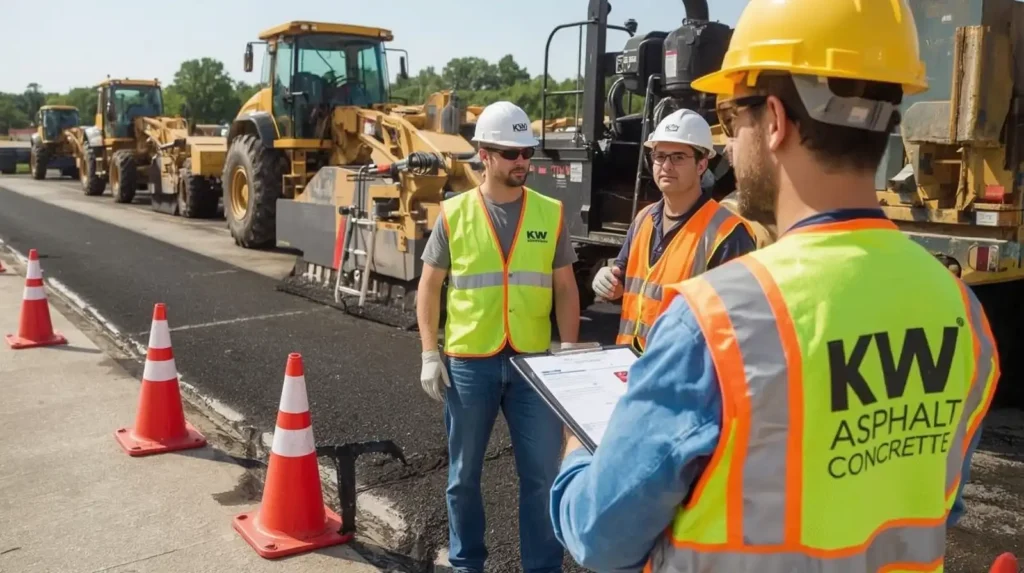
Awareness is the first step toward prevention. Workers and supervisors must know how to recognize safety concerns in the workplace. Small warning signs often appear before accidents strange noises from machines, worn-out wires, or slippery spots on the floor.
Employees should feel confident speaking up when something looks unsafe. Silence can be dangerous. An open environment where workers can report problems without fear helps stop accidents before they start.
Supervisors play a key role too. Regular safety walks, quick daily checks, and honest discussions build a strong safety culture. A workplace that listens to its people is always safer than one that ignores early warnings.
Understanding Safety Hazards in the Workplace
A safety hazard is anything with the potential to cause harm. It might be obvious, like a sharp tool or falling object, or hidden, like poor lighting or chemical fumes.
Here are a few examples of safety hazards in the workplace:
- Electrical wires near water sources
- Damaged ladders or scaffolds
- Overloaded power outlets
- Poor ventilation near chemicals
- Excessive heat or cold in work areas
Understanding these hazards helps workers know what to avoid and how to stay alert. The key is training and awareness. When every team member knows what a hazard looks like, the entire workplace becomes safer.
Safety is everyone’s job, not just management’s.
Workplace Hazards and Safety: Preventing Risks Before They Happen
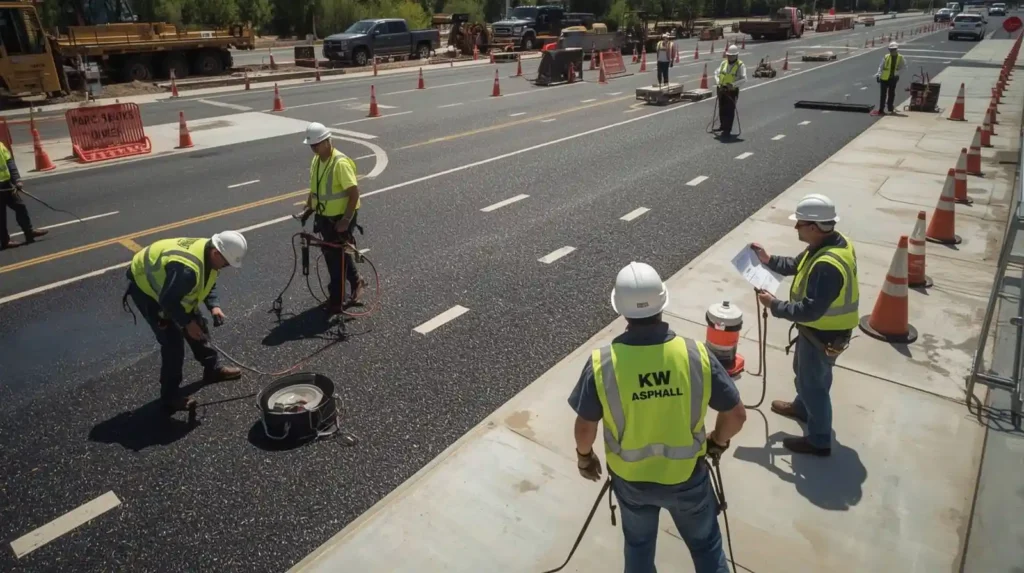
Prevention is the best form of protection. A well-planned workplace safety program includes regular inspections, proper labeling, and consistent communication.
Businesses should make it a habit to:
- Inspect all equipment weekly
- Replace worn-out tools and safety gear
- Post visible signs near danger zones
- Keep walkways clear and dry
- Review safety protocols monthly
A culture of safety is built from daily habits. Whether it’s wearing helmets, using harnesses, or simply cleaning up spills, every small action counts.
Companies that focus on workplace hazards and safety don’t just protect workers they also improve productivity. A safe worker is a confident worker, and confident workers perform better.
Employee Safety Concerns and How to Address Them
One of the strongest indicators of a safe company is how it handles employee safety concerns. Employees often notice risks before managers do, especially if they work closely with tools or materials every day.
To encourage reporting, leaders should build trust. That means no punishment for pointing out a problem, quick responses to valid complaints, and visible follow-up actions. Workers should know that when they raise an issue, it will be taken seriously.
Anonymous reporting boxes or digital forms can also help shy employees share concerns safely. The goal is not to assign blame but to fix the issue and keep everyone protected.
The Role of Training and Safety Topics for the Workplace
Safety training turns knowledge into action. Regular sessions keep safety rules fresh in everyone’s mind and help new workers learn proper procedures.
Popular safety topics for the workplace include:
- Fire prevention and emergency response
- Proper lifting techniques
- Electrical safety
- First aid awareness
- Mental health and stress management
Short daily or weekly meetings keep workers alert. Managers can also include quick safety reminders at the start of shifts. These small efforts create big results fewer injuries, less confusion, and a team that always knows what to do.
Identifying Culture Issues in Safety and Their Impact
Even with strong rules, some workplaces still struggle with accidents. Often, the problem lies in culture. If management doesn’t lead by example, or if employees rush to finish jobs faster, safety can slip.
Identifying culture issues in safety means asking tough questions:
- Do workers feel pressured to ignore rules to meet deadlines?
- Are supervisors setting good examples?
- Do teams discuss mistakes openly, or hide them?
When people fear punishment for reporting incidents, hazards remain hidden. The best workplaces create a blame-free environment focused on learning, not punishment. Building safety culture takes time, but it starts with honest communication and mutual respect.
Examples of Workplace Safety Done Right

Let’s look at examples of workplace safety that show what success looks like.
- A manufacturing plant introduced a “Stop Work Authority” program, where any employee could halt production if they saw a risk. Accidents dropped by 60%.
- A food company started monthly “Safety Hero” awards for employees who spotted and fixed potential dangers. The program boosted morale and reduced minor injuries.
- A road construction crew used reflective gear and clear traffic control plans to prevent night-time accidents. Not a single injury occurred during their project.
These examples prove that when everyone participates, safety becomes a shared goal not a task forced by management.
KW Asphalt’s Commitment to Workplace Safety in Greenville, SC
At KW Asphalt, safety comes before every project deadline. The company believes that no task is too small or too urgent to overlook protection. Every worker receives proper training, protective equipment, and constant support from experienced supervisors.
From heavy machinery to asphalt paving and roadwork, every operation is planned with care. Clear communication, hazard awareness, and safety meetings are part of daily life. This hands-on approach reflects KW Asphalt’s belief that real quality starts with keeping people safe.
By following national safety standards and encouraging open feedback, the company continues to lead by example, building trust across teams and clients alike.
If you’re looking for a reliable partner that values both quality and safety, contact KW Asphalt today. Together, let’s build safer, stronger, and better workplaces for everyone.