Large cracks in concrete should be cleaned, prepared, and filled with the right repair product based on the crack size, depth, and location. For many surfaces, the best method is to remove loose debris, add a strong filler or patch material, smooth the area, and allow proper curing. If movement, sinking, or water damage caused the crack, deeper repair may be needed.
Concrete cracks happen for many reasons. Water gets under slabs. Soil shifts. Heavy weight adds stress. Hot and cold weather makes concrete expand and shrink. Small cracks can stay harmless for a while, but wide or deep cracks often grow fast. That can create trip hazards, water leaks, and surface damage.
If you are searching for how to fill large cracks in concrete, the key is choosing the right material and using the correct steps. Some cracks need a flexible concrete crack filler. Others need a concrete repair epoxy, cement patch, or self leveling concrete crack filler. The best choice depends on where the crack is and how much movement happens there.
This guide explains what causes large cracks, how to inspect them, what tools to use, and when to call a pro. You will also learn common mistakes that make repairs fail early.
Warning Signs a Small Crack Is Becoming a Bigger Concrete Repair Problem
Not every crack needs urgent work, but some warning signs mean action should happen soon.
A crack that gets wider over time is a concern. Measure the width now and check it again later. If it keeps growing, movement may still be happening below the surface.
Uneven edges are another sign. One side of the slab may sit higher than the other. This often points to soil movement or settling.
Water entering the crack matters too. Moisture can wash away support under the slab and weaken the area. In colder climates, trapped water can freeze and expand.
Watch for loose pieces around the crack. Chipping and crumbling show the surface is breaking down.
If the crack runs across a driveway, walkway, garage floor, or steps, safety becomes important. Trips and falls can happen quickly.
A small issue can become a large repair bill when ignored.
How to fill large cracks in concrete, Choosing the Right Filler for Long Lasting Results
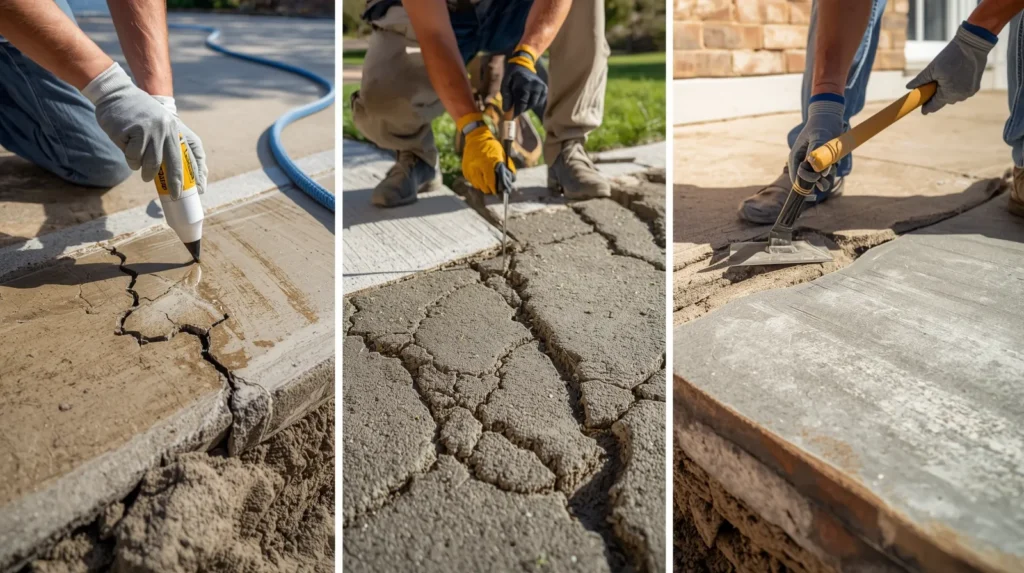
Many people ask how to fix a large crack in concrete and get confused by the many products on store shelves. Start by matching the product to the problem.
For cracks that may move slightly, a flexible concrete crack filler can work well. Flexible products bend a bit instead of breaking when the slab shifts.
For deep damage or missing chunks, a stronger patch product may be better. Cement based repair mixes rebuild lost material and add strength.
For structural style bonding, concrete repair epoxy can create a hard repair. Epoxy works best when movement has stopped.
For horizontal surfaces with narrow gaps, self leveling concrete crack filler can flow into the space and create a smooth finish.
Outdoor areas need products rated for weather and moisture. An outdoor concrete crack filler or waterproof concrete crack sealer can help protect the repair.
The best result comes from proper prep, not just the product tube.
What to Use to Fill Cracks in Concrete, Filler, Sealant, Epoxy, or Cement
People often ask what to use to fill cracks in concrete. Here is a simple guide.
Use crack repair caulk or polyurethane concrete crack sealant for joints and cracks that may move. These products stay more flexible.
Use concrete crack filler for standard surface cracks on patios, sidewalks, and driveways.
Use liquid concrete crack filler for thin gaps where a pourable material can flow deeper.
Use cement to fill cracks when part of the surface has broken away and you need to rebuild shape.
Use concrete epoxy crack filler when you need a hard bond and the slab is stable.
Use foundation crack sealer or sealant for foundation cracks when water entry is the main concern. Foundation issues can be serious, so large or active cracks should be checked by a professional.
No single product fits every crack. Size, depth, movement, and moisture all matter.
Best Way to Repair Concrete Cracks Based on Size, Depth, and Surface Type
- Best results come from matching the product to the crack size, depth, and surface type.
- Hairline cracks often need a hairline concrete crack filler or thin sealant to block water and improve the look.
- Medium cracks usually need a stronger concrete crack repair filler that bonds well inside the gap.
- Large cracks may need backer material, layered filling, or patch mortar for better support and strength.
- Driveway cracks need a durable concrete driveway crack filler that can handle vehicle weight and weather.
- Garage floor cracks should be repaired with products made for heavy use, tire traffic, and spills.
- Wall cracks need non sag materials that stay in place while curing on vertical surfaces.
- Outdoor cracks need weather resistant products such as waterproof concrete crack sealer or outdoor concrete crack filler.
- Moving cracks or joints are better repaired with flexible concrete crack filler or polyurethane concrete crack sealant.
- Stable structural cracks may be repaired with concrete repair epoxy when movement has stopped.
Step by Step, How to Fill in Cracks in Concrete the Right Way
Step 1, Clean the Crack Well
Start by removing all dirt, dust, weeds, and loose concrete from the crack. You can use a wire brush, broom, shop vacuum, or pressure washer to clean the area. If you use water, let the crack dry fully before moving to the next step. A clean surface helps the concrete crack filler bond better and last longer.
Step 2, Prepare the Crack Edges
Check the edges of the crack closely. If they look weak, loose, or too narrow, you may need to open them slightly. Some repair products work better when the crack has a stronger edge for bonding. Always follow the product directions before doing this step. Proper prep can help stop the filler from coming loose too soon.
Step 3, Add Backing Material for Deep Cracks
If the crack is deep, do not fill the whole space with repair material only. Add backing material first if the product instructions suggest it. This helps support the repair, saves product, and creates a better shape for the filler. It also helps reduce shrinkage and improves the final result.
Step 4, Apply the Repair Product Slowly
Now fill the crack with your chosen repair material. Push the product deep into the crack instead of only covering the top. Work slowly and carefully so you do not trap air pockets inside. Whether you use concrete repair filler, crack repair caulk, or another product, full contact inside the crack is important for a strong hold.
Step 5, Smooth and Level the Surface
After filling the crack, smooth the top using a putty knife, trowel, or similar tool. Try to blend the repair into the surrounding concrete so the surface looks neat and even. This step also helps improve the appearance and makes the area safer to walk or drive on after curing.
Step 6, Let the Repair Cure Properly
Once the crack is filled and smoothed, protect the area while it cures. Do not walk or drive over it too soon. Every product has a different drying and curing time, so check the label carefully. Giving the repair enough time to set is one of the most important parts of the job.
Step 7, Check the Repair Again
After the material has cured, inspect the crack repair. Some products may settle a little as they dry. If that happens, apply a small extra layer where needed. A final check helps make sure the surface stays sealed, smooth, and protected.
Good preparation, careful filling, and enough curing time usually lead to a much stronger and longer lasting concrete crack repair.
Concrete Driveway Crack Filler Tips for Stronger, Cleaner Repairs in Greenville, SC
Driveways face sun, rain, vehicle weight, and daily use. That means repairs need extra care.
Choose a concrete driveway crack filler made for traffic areas. Standard indoor products may fail outside.
Clean oil, dirt, and plant growth before filling. Stains and dust can weaken bonding.
Do not repair during heavy rain or extreme heat if the label warns against it. Weather affects curing.
Fill the full depth when possible. A shallow skin repair may crack again quickly.
Smooth the surface neatly so tires roll over it without catching edges.
After curing, consider sealing the driveway if the surface is porous. A sealer for cracks and exposed concrete can help reduce water entry.
If the slab has major sinking or several wide cracks, filling alone may not solve the problem.
When to Use Flexible, Self Leveling, or Polyurethane Concrete Crack Sealant
These three types each have strengths.
Flexible concrete crack filler works well where slight movement happens. Expansion and minor settling can break rigid materials.
Self leveling concrete crack filler is useful on flat surfaces. It flows into the crack and settles into a level finish. It is not ideal for walls or steep slopes.
Polyurethane concrete crack sealant is popular for outdoor use. It bonds well, resists weather, and handles movement better than many hard patches.
Some people choose a rubberized concrete crack filler for similar reasons. It can move with the surface better than rigid mixes.
Read labels carefully. Products differ by cure time, paintability, color, and crack width range.
Using the wrong type can waste time and money.
Common Mistakes That Cause Concrete Crack Repair to Fail Early
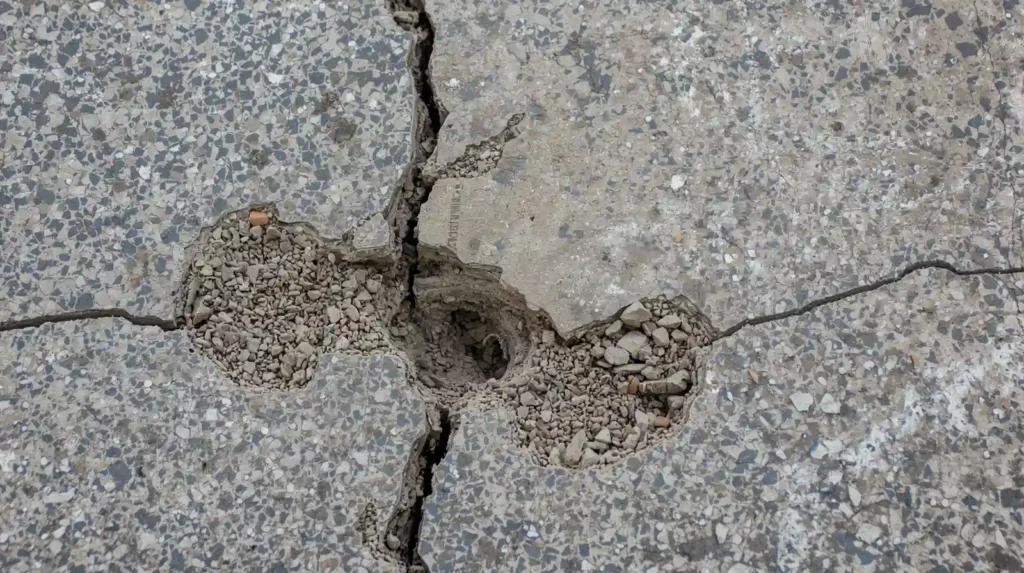
- Not checking the crack later can let small repair issues grow into bigger problems.m.
- Poor cleaning before repair leaves dust, dirt, and loose pieces inside the crack, which weakens bonding.
- Using the wrong product can cause fast failure, especially when a rigid filler is used in a moving crack.
- Filling only the surface hides the problem but leaves weak empty space deeper inside the crack.
- Skipping backer material in deep gaps can waste filler and reduce support.
- Rushing cure time can damage the repair before it becomes strong enough for traffic.
- Ignoring water problems allows moisture to keep washing out support under the slab.
- Repairing during bad weather can slow curing or reduce product performance.
- Not following label directions may lead to poor adhesion, shrinkage, or cracking.
- Covering structural issues with filler does not solve sinking slabs or serious base damage.
DIY or Professional Help, Which Option Saves More Time and Money
DIY repair can work well for simple cracks. If the slab is level, the crack is clean, and movement has stopped, many homeowners can get solid results.
DIY often costs less upfront. Small repairs may need only tools, cleaner, and filler.
Professional help may save more in the long run when cracks are wide, deep, spreading, or linked to sinking slabs. A pro can inspect drainage, base support, and structural concerns.
Pros also know when a patch will fail and when lifting, replacement, or deeper repair is smarter.
If safety risks exist, such as broken steps or uneven walkways, expert help is often the better choice.
KW ASPHALT CONCRETE & SERVICES helps property owners understand the real issue before money gets wasted on the wrong fix.
Need Reliable Concrete Crack Repair, Why Homeowners Choose KW ASPHALT CONCRETE & SERVICES
Homeowners want honest answers, durable work, and clear communication. They do not want to repair the same crack again next season.
That is why experience matters. A good contractor checks the crack pattern, surrounding surface, drainage, and signs of movement before suggesting a repair.
The right solution may be filler, patching, sealing, or a larger correction. Good advice protects your budget and your property.
Trusted service also means clean work areas, clear timelines, and materials chosen for real site conditions.
When repairs are done right, surfaces look better, last longer, and stay safer for daily use.
Concrete cracks are common, but they should not be ignored. Small cracks can turn into bigger problems when water, movement, and wear continue over time. The smart path is to inspect the crack, choose the right repair method, and act before damage spreads. Whether you need a quick seal or a deeper repair, the right steps can restore strength and appearance while helping you avoid higher costs later.
If your concrete has wide cracks, sinking areas, or repeated damage, now is the time to get expert guidance. Reach out today for dependable solutions and straightforward advice you can trust.