how long does asphalt take to dry? Most asphalt becomes dry enough for light use in about 24 to 72 hours. Full curing takes longer, usually up to 30 days, depending on heat and weather.
People often ask this because fresh asphalt looks ready before it actually is. Even when it feels firm on top, the inside may still be soft. In this blog, you will learn how drying works, how blacktop drying time changes in different conditions, and how to protect your new surface so it lasts for years. You will also see real examples that show what actually happens during the drying and curing stages. This guide is designed to be simple enough for anyone to understand, while still giving expert insight.
Why Drying Time Matters When Working With Asphalt
Drying time is one of the most important parts of any asphalt project. When the surface is new, the material is still warm and needs time to settle. If someone walks on it or drives on it too soon, it can leave marks, dents, or rough spots that never go away. This happens because the surface looks firm before it really is.
People often get confused because asphalt dries in stages. The top layer may cool and feel solid, but inside it is still soft. The heat from the sun, the type of mix, and the thickness of the layer all change how fast it becomes firm. When asphalt is allowed to dry correctly, it becomes strong enough to handle daily use without shifting. That is why learning about drying time is so helpful for homeowners and business owners. It helps protect their investment and avoid early damage.
What Makes Fresh Asphalt Behave Differently Than Other Materials
Fresh asphalt is different from other building materials because it contains liquid binders that need time to settle. These binders keep the surface flexible at the start, so it can shape itself to the ground below. When the asphalt cools, it becomes stronger and more stable.
Unlike concrete, which dries through chemical change, asphalt dries through cooling. Because of this, the weather plays a big role. On a warm sunny day, new asphalt cools fast. On a cloudy or cold day, it takes longer. Fresh asphalt can also look firm before it is ready, so people must be patient. If heavy weight is placed too early, it can push the still-soft material down.
This stage is important because the first few days decide how good the surface will be for years. When installed and dried correctly, asphalt becomes smooth, strong, and long lasting.
Understanding the Real Answer to How long does asphalt take to dry
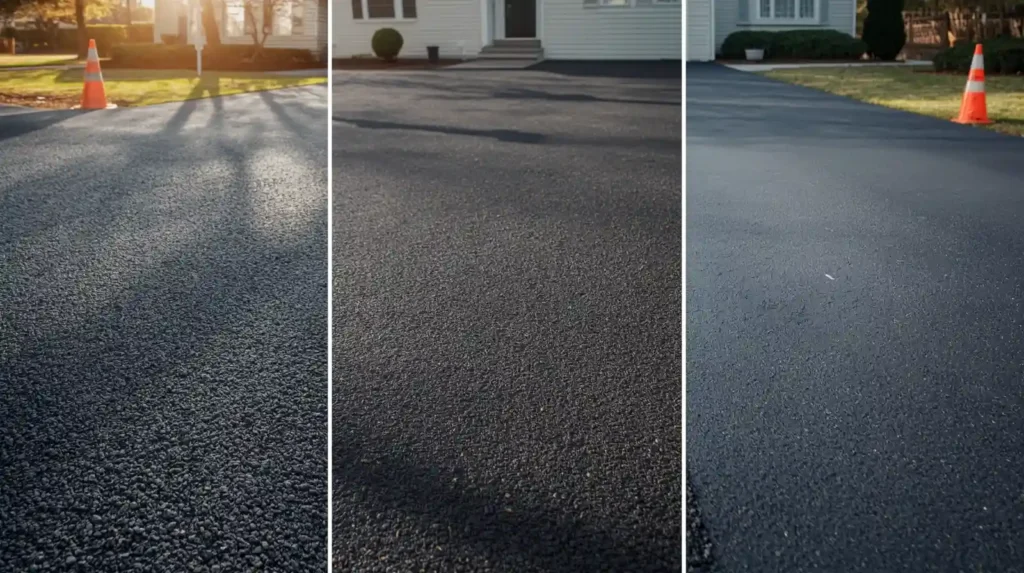
How long does it take for asphalt to dry depends on several things, but the simple answer is this: most new surfaces can handle light use in one to three days. Complete curing takes longer, often around one month. This cure time allows the inside layers to firm up and connect with the base beneath them.
Drying happens in steps. First, the asphalt cools. Second, the top layer firms up. Then the deeper layers settle and finish curing. Because each project is different, the timeline can change. A thin layer dries faster than a thick one. A hot day speeds it up, while a rainy or cold day slows it down.
The important thing is to understand the difference between being dry on the surface and being fully cured from top to bottom.
The Difference Between Dry Asphalt and Fully Cured Asphalt
Dry asphalt and cured asphalt are not the same even though they look similar. Dry asphalt means the top layer has cooled enough for walking or light driving. Cured asphalt means the entire structure has reached full strength.
Dry asphalt is safe for basic use, but it cannot handle heavy trucks, trailers, or sharp turns from car tires. When the surface is not fully cured, the inner layers can still shift, which causes early cracks. This is why slow and careful use is needed during the first few weeks.
Many people think once asphalt feels stiff, it is ready. But the curing stage is silent and slow, and skipping it can lead to long term problems. A patient approach leads to a stronger, smoother driveway or road.
Blacktop Drying Time Compared to Standard Asphalt Mixes
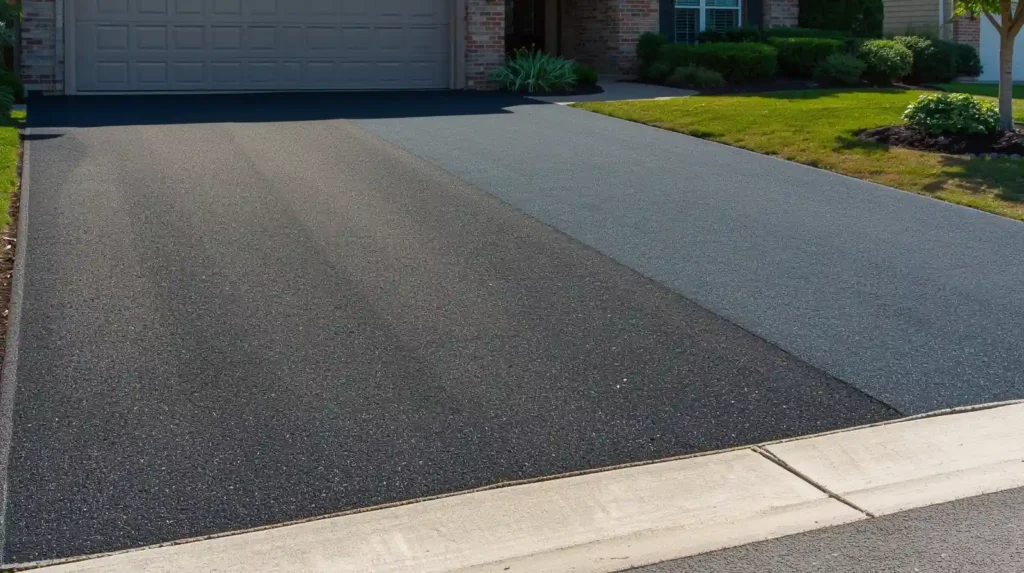
Blacktop dries slightly differently from other mixes. Blacktop is a common word used for hot asphalt, but it is often made with a more flexible blend. Because of that, blacktop drying time can vary based on the mix and the surface area.
A tighter mix with more fine stone takes longer to dry. A more open mix cools faster. Blacktop is popular because it is smooth and handles weight well, but it still needs time to set properly. If the weather is warm, blacktop may dry quicker, but it still must go through a full curing period.
This is why contractors warn people to keep heavy loads and tight turns off the surface until curing is complete. Even a small mistake early on can leave marks that last the life of the driveway.
What Happens During the First Day of Fresh Asphalt
The first day is the most sensitive stage. When the asphalt is newly installed, it is hot and soft. As the hours pass, the surface cools and begins to firm up. The top of the material may feel dry, but the inner layers are still warm and flexible.
During this time, simple actions like walking, leaning a bike, or turning tires while parked can leave marks. Many people think these marks are minor, but once they appear, they stay for years. That is why contractors often block the area for a full day or longer.
Wind, shade, and surface thickness also change the first day. In cooler weather, asphalt may take much longer to reach a dry state. Patience in the first 24 hours protects the entire project from early damage.
Common Mistakes People Make With New Asphalt Driveways
People often make simple mistakes that damage fresh asphalt during the early drying stage. Here are the most common ones:
- Driving too soon, even when the surface looks dry. The inside layers are still soft and can dent easily.
- Turning the steering wheel while the car is not moving. This creates deep marks on warm asphalt.
- Parking in the same spot every day during the first week. Constant pressure in one area weakens the surface.
- Placing sharp or heavy objects on the driveway, like ladders, bike stands, or chair legs, which can sink into the material.
- Using water or washing the driveway too early. This slows the drying and curing process and can change the surface texture.
- Allowing large trucks or trailers on the driveway before full curing. Their weight can cause deep damage.
- Walking on the surface with sharp heels or tools, which easily leave marks on new asphalt.
Avoiding these mistakes helps your new driveway stay smooth, strong, and long lasting.
How Weather Conditions Change Asphalt Cure Time
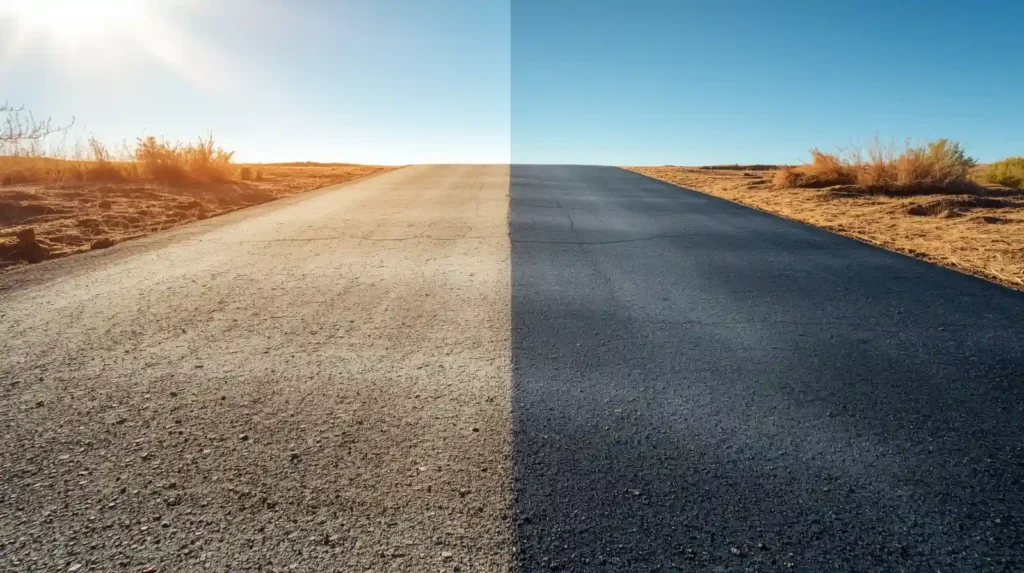
Weather is one of the biggest factors in how asphalt dries. Hot sunny days speed up drying because heat helps the asphalt firm up. Cold days slow the process. Shade slows it even more because the sun cannot warm the surface evenly.
Rain is another factor. If it rains shortly after installation, the surface may cool too fast, which can affect the finish. Too much water can also create soft spots. When the weather is warm and dry, the surface usually reaches its best cure time.
This is why contractors pick the right day for installation. Great weather helps fresh asphalt dry at the proper speed, increasing its strength and lifespan.
How to Tell When Your Asphalt Is Safe for Light Traffic
There are a few easy ways to know when asphalt is ready for light use. One method is to touch the surface lightly. If it feels cool and firm, it is usually ready for walking. Another method is looking at the color. Fresh asphalt is shiny and dark. As it dries, the shine fades.
You can also check the tire marks from a small test. Slowly roll a car forward without turning the wheels. If the asphalt holds its shape without dents, it is usually fine for careful use. Still, turning tires or parking for long periods is not recommended until full curing.
These simple checks help protect your surface from early damage.
When You Can Drive and Park on New Asphalt in Greenville, SC
In most cases, driving on new asphalt becomes safe within 48 to 72 hours, but full parking strength may take up to one week. Heavy trucks and trailers need even more time. The complete cure time can take up to a month.
The warm weather in Greenville, SC usually helps the drying process. Even with good weather, it is smart to avoid sharp turns, sudden stops, or keeping your vehicle in one spot for too long during the first days. This helps the surface settle evenly and stay smooth for years.
This advice comes from years of real experience working with surfaces that must last a long time without cracking or shifting.
When to Call KW ASPHALT CONCRETE & SERVICES for Proper Guidance
Drying time can be confusing because every project is different. Some driveways dry fast, while others take longer due to shade, thickness, or weather. If you are unsure, KW ASPHALT CONCRETE & SERVICES can help you understand exactly when your surface is ready.
The team has real hands-on experience working with fresh asphalt and blacktop, and they can guide you through the entire drying and curing process. They can also check your driveway and tell you if it needs more time before heavy use. A quick professional look can prevent costly long term problems.
If you want a driveway, walkway, or parking area that dries correctly and stays strong for years, reach out to KW ASPHALT CONCRETE & SERVICES. A short call can help you avoid mistakes and protect your new investment the right way.