Asphalt is made by heating stone, sand, and a sticky binder, then mixing them together to form a smooth paving material. The binder holds everything together, and the mixture is heated so it can be spread and packed tightly on roads and driveways.
Below is an easy to read explanation that answers your question, How Is Asphalt Made, in a clear and simple way. It includes the materials used, how the mixture is prepared, and how paving companies like KW ASPHALT CONCRETE & SERVICES handle the process with care and skill.
What People Usually Want to Know Before Learning How is Asphalt Made
Many people see asphalt every day but never think about what goes into it. You drive on it, walk on it, and park on it. It is used almost everywhere because it is strong, flexible, and lasts a long time when installed the right way. Before learning about how asphalt is made, people often wonder what it is, why it works so well, and how companies create a mix that can handle heat, heavy cars, and changing weather.
This blog gives a clear and simple look at the entire process so anyone can understand it. You do not need special knowledge to follow along. Everything is explained in an easy way so that even younger readers can learn something new about this common paving material.
A Quick Look at Asphalt and Why It Is Used in Modern Paving
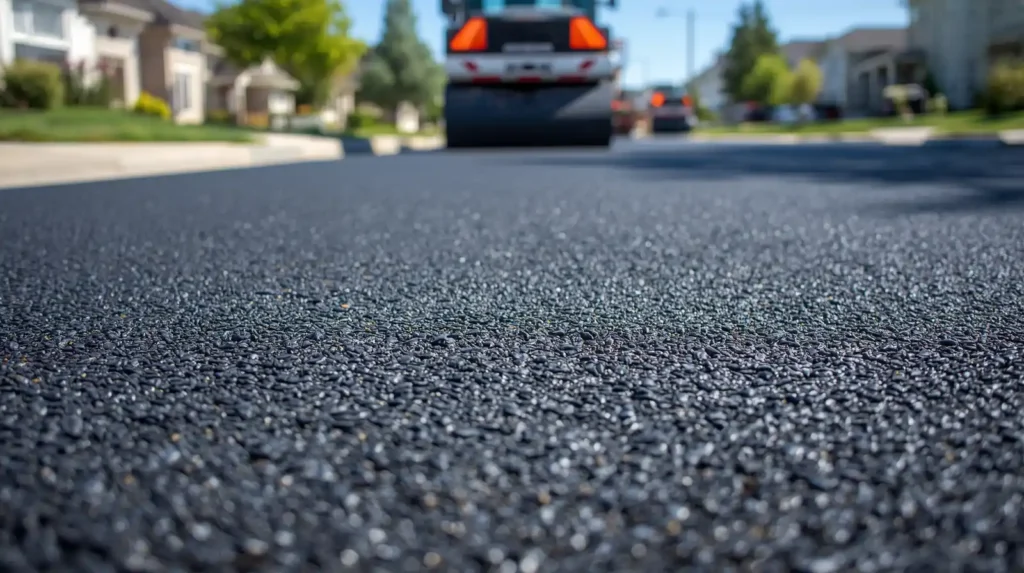
Asphalt is a smooth, dark material used to build roads and driveways. It is made from stones and sand held together with a thick binder. When heated and mixed correctly, the result is a strong surface that can handle large weight and daily traffic. It is used almost everywhere because it is easier to repair than concrete and has a flexible structure that can adjust to weather changes.
The reason paving companies like it so much is simple. Asphalt helps prevent cracks, forms a smooth driving surface, and can be installed faster than many other materials. With routine care, asphalt can stay in good shape for many years.
What Asphalt Is Made Of in Today’s Paving Industry
Asphalt is made of a few basic parts that work together. These parts include stones, sand, and a sticky black binder. The binder acts like glue and holds everything together. The mix also includes tiny mineral particles. Each part has a job. The stones add strength, the sand fills gaps, and the binder helps the whole mixture stay solid once it cools.
Modern asphalt is made with great care so the mixture stays balanced. If one part is added too much, the surface may crack or become weak. This is why paving companies follow exact steps during asphalt making.
Understanding the Materials That Go Into Asphalt Making
Asphalt is not a single material. It is a mix of several things that work together. These include:
• Aggregates. These are stones, gravel, or crushed rock. They give asphalt its strength.
• Sand and fine particles. These fill the empty spaces between stones.
• Binder. This is a thick, sticky substance that keeps everything together.
The binder is usually made from a petroleum based product. It softens when heated and hardens when it cools. That is what lets the asphalt form a smooth surface when spread on the ground. The right mix helps prevent cracks and keeps the pavement strong through heat and cold.
How These Materials Come Together During Asphalt Manufacturing
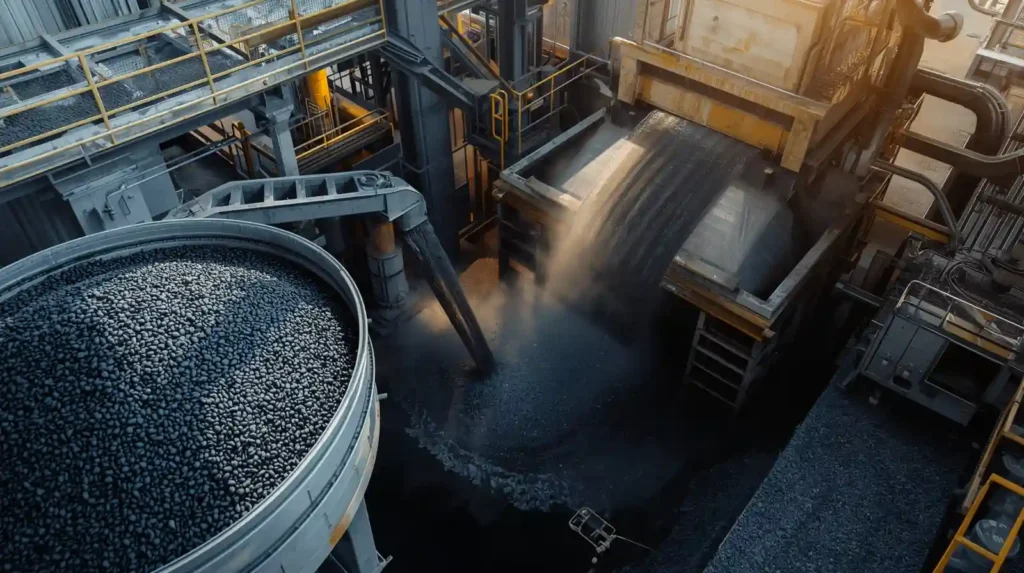
Manufacturing asphalt is a careful process. The materials are stored in large bins at a production plant. Each part of the mix is measured and delivered into a drum where heating takes place. The stones and sand get warmed first, then the binder is added.
The heating stage is very important. If the mixture gets too hot, it can burn the binder. If it is not warm enough, the mix will not spread correctly. That is why asphalt plants use special machines to keep the temperature steady.
Once everything is warm, the mixture is blended until the stones and binder are fully combined. The final mix becomes thick, smooth, and ready for paving.
Step by Step Guide on How to Make Asphalt at a Production Plant
Here is a simple step by step guide written in easy language so anyone can understand how asphalt is made:
Step 1. Measure the materials
The plant measures the stones, sand, and fine particles. The right amount of each material makes the asphalt strong and long lasting.
Step 2. Heat the mixture
The materials move into a large rotating drum where they are heated. This removes moisture and gets everything ready for the binder.
Step 3. Add the binder
The binder is warmed to make it flow easily. It is added to the heated stones and mixed together.
Step 4. Mix until smooth
Everything rotates until the blend becomes thick and even. This is the stage where the mixture becomes asphalt.
Step 5. Load and transport
The finished mixture is loaded into trucks that keep it warm. The trucks bring the asphalt to the job site where it will be spread and compacted.
This simple guide helps people understand how asphalt goes from loose materials to the smooth surface we drive on every day.
How Asphalt Is Heated, Mixed, and Checked for Quality
To make sure asphalt stays strong, quality checks are done throughout the process. Heating is done at a steady temperature so the binder does not break down. The mixture is stirred and watched carefully. Workers check if the mix is smooth and if the binder has coated the stones well.
After mixing, the plant may take small samples to test the density and thickness. These tests help the team make sure the mix will stay solid once it is installed. Companies like KW ASPHALT CONCRETE & SERVICES follow these checks closely so the pavement stays strong and reliable for many years.
Differences Between Plant Made Asphalt and On Site Asphalt Making
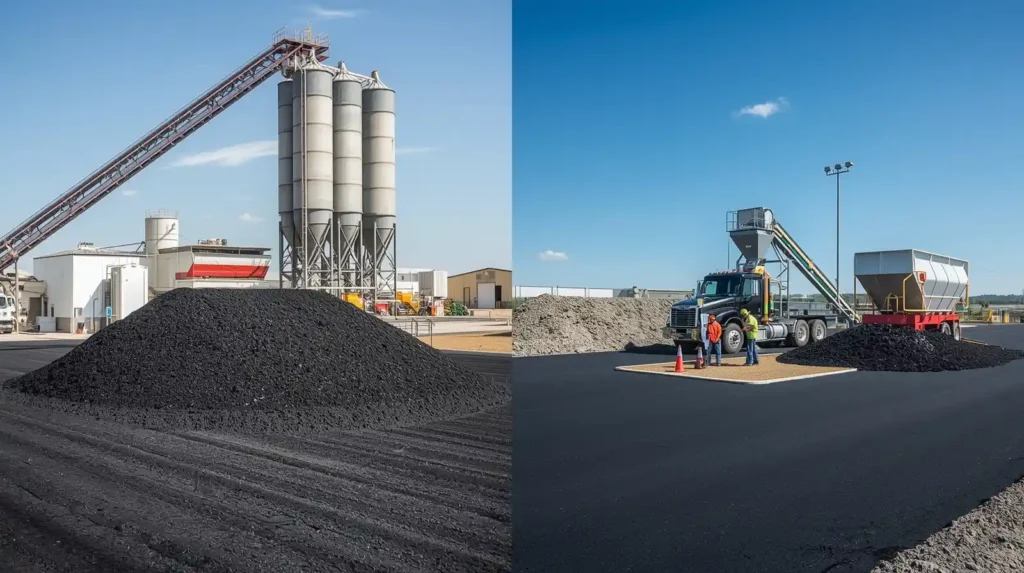
Plant made asphalt is created in a controlled environment. Temperatures are steady, the mixture stays clean, and the quality stays the same on every batch. On site asphalt making is not as common, but sometimes small repairs or patching projects use special mixtures that do not need a full plant.
The biggest difference is the level of control. Plants make large batches with exact measurements. On site mixes are used for simple repairs where full plant production is not needed. For most driveways and roads, plant made asphalt is the better choice because it is more consistent and long lasting.
Why Asphalt Remains a Reliable Choice for Roads, Driveways, and Commercial Surfaces
Asphalt stays popular because it is strong, smooth, and easier to maintain than many other paving materials. It handles changing weather, heavy cars, and regular use. When small cracks appear, repairs can be done quickly without replacing the entire surface.
Asphalt pavement also absorbs noise, which gives a quieter drive. It has enough flexibility to shift slightly without breaking, which helps prevent big cracks during hot or cold seasons. These features make asphalt the preferred choice for roads, driveways, and parking lots everywhere
How Asphalt Supports Local Projects in Greenville, SC
Asphalt plays an important role in building and repairing surfaces in Greenville, SC. The mixture created at the plant becomes the base for roads, school parking lots, business entrances, and many residential driveways. It helps the community stay connected with smooth, safe roads that people use every day.
Good asphalt work helps reduce potholes, improves driving comfort, and gives the area a clean and well kept look. Many local improvements rely on strong, well made asphalt to stay safe and stable for years.
Why KW ASPHALT CONCRETE & SERVICES Brings Trustworthy Asphalt Work
KW ASPHALT CONCRETE & SERVICES has experience working with asphalt from start to finish. The team understands how each part of the mixture affects the final surface. Their process includes strong quality control and proper installation techniques, which help the pavement last longer.
Their knowledge of materials, mixing, heating, and paving methods helps them create reliable surfaces for homeowners and businesses. They focus on clear communication, careful preparation, and smooth results. When you choose a company that understands how asphalt is made and how it should be installed, you get better performance and fewer issues over time.
If you want a smooth, strong, and clean surface that lasts, reach out to our team. We can answer your questions, help you choose the best paving option, and give you a clear plan for your project. A simple call can get you started on a surface that looks better and performs better for years.