How Does An Asphalt Paver Work? An asphalt paver receives hot mix from a truck, moves it through internal conveyors, spreads the material across the ground, and uses a screed to shape and level the surface. It creates the base layer that rollers later compact into a smooth, strong pavement.
If you have ever watched road work, you may have seen a large asphalt machine moving slowly while fresh black material appears behind it. That machine does an important job. It places hot asphalt at the right depth and width so the surface stays even and durable. Understanding how it works helps you choose better contractors, plan projects, and know what quality paving should look like. In this guide, you will learn the parts of the machine, the laying asphalt process, common methods, and mistakes to avoid.
Roads, parking lots, driveways, and paths all depend on proper paving. A skilled crew, the right asphalt paving equipment, and good timing can make a major difference in how long the surface lasts. When the work is done well, the area looks clean, drains water better, and handles traffic with fewer issues over time.
Why Understanding the Asphalt Paving Process Helps You Make Better Decisions
Many people hire a paving company without knowing how the process works. That can lead to poor choices. When you understand basic paving operation steps, you can ask smarter questions and spot warning signs early.
For example, you can ask if the crew will prepare the base, check grades, and use the right compaction method. You can also ask what type of paver machine they plan to use. Some jobs need a larger asphalt road paver, while smaller spaces may need compact paving laying machine options.
Knowing the process also helps with budgeting. Good paving may cost more at first, but it often saves money later because repairs happen less often. Strong pavement can reduce cracks, puddles, and edge damage.
When owners understand the work, projects run smoother. Expectations stay clear, timelines make more sense, and the final result is usually better.
What an Asphalt Paver Machine Does on a Job Site
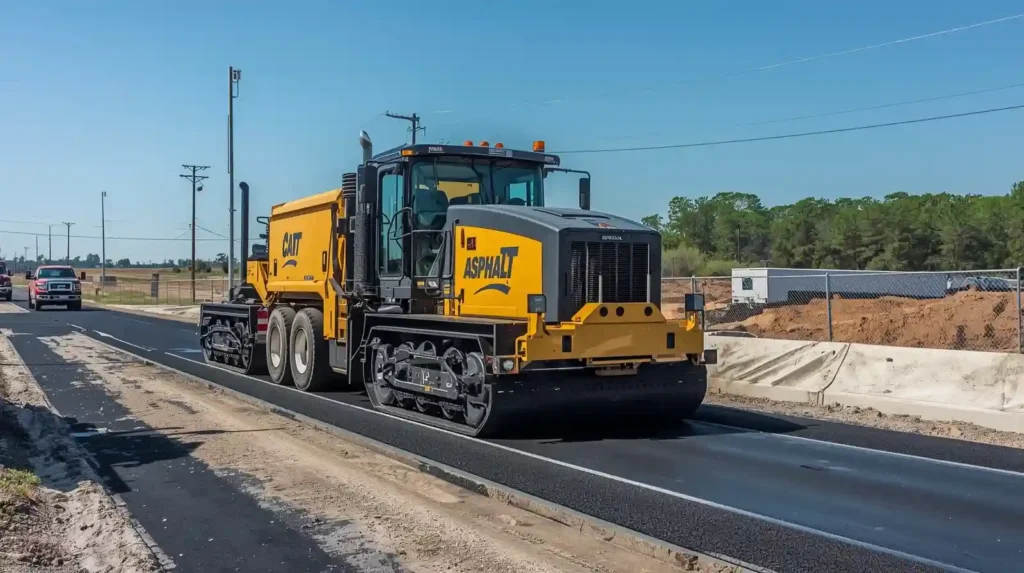
An asphalt paver machine is designed to place hot asphalt in a controlled and even layer. It does not simply dump material on the ground. It measures, moves, spreads, and shapes the mix as it travels forward.
The machine starts when a paving truck backs up and delivers hot material into the hopper. From there, conveyors carry the mix toward the rear of the machine. Augers then spread it across the width of the path.
Behind the machine sits the screed. This part floats on the material and sets the thickness and smoothness of the mat. The screed is one reason paved surfaces can look neat and level.
The paver must move at a steady speed. If it stops too often or moves too fast, the surface can become rough or uneven. Skilled operators watch the flow, temperature, and alignment during the entire pass.
This is why trained crews matter. Machines help, but experience still drives quality results.
Main Parts of a Paving Machine, Hopper, Conveyor, Augers, and Screed
Every paving machine has key parts that work together. Knowing these parts makes the whole process easier to understand.
Hopper
The hopper sits at the front. It receives hot asphalt from the truck. It must stay filled enough to keep material flowing smoothly.
Conveyor System
Conveyors move asphalt from the hopper to the back of the machine. They control how much mix reaches the augers.
Augers
Augers are spinning shafts that spread material left and right. They help create an even amount of asphalt before the screed finishes the surface.
Screed
The screed is the finishing tool attached to the rear. It controls mat depth, crown, and texture. Good screed paving is critical for a smooth ride and proper drainage.
Controls and Sensors
Modern asphalt paving equipment may include sensors that help maintain grade and slope. These tools improve accuracy on larger projects.
When each part works well, the finished pavement looks cleaner and lasts longer.
Step by Step Breakdown of the Laying Asphalt Process
The laying asphalt process follows a clear order. Skipping steps often leads to early failure.
Step 1: Surface Preparation
The old surface may need removal or repair. The base must be stable, clean, and graded correctly.
Step 2: Tack Coat
A bonding layer may be sprayed between old and new surfaces. This helps the asphalt stick properly.
Step 3: Material Delivery
Hot mix arrives in trucks at the correct temperature. Timing matters because asphalt cools quickly.
Step 4: Paving
The asphalt spreader places the mix evenly. The screed shapes the mat to the planned thickness.
Step 5: Rolling
Compactors follow the paver. They remove air spaces and lock the material together.
Step 6: Cooling and Opening
After cooling, the surface can open for traffic based on project needs.
Strong results come from doing every step with care, not rushing through the job.
How Asphalt Is Moved from the Paving Truck to the Asphalt Road Paver
The handoff between truck and paver is more important than many people think. Poor transfer can create bumps, segregation, or wasted material.
The paving truck slowly backs into the front of the paver. The driver must stay aligned and move carefully. The truck then releases asphalt into the hopper.
As the paver moves, conveyors pull the material toward the rear. This steady feed keeps the mat consistent. Sudden surges or empty spots can change surface quality.
Some larger crews use transfer equipment to improve flow and reduce temperature loss. On many jobs, direct truck to paver loading works well when the team stays coordinated.
Communication between operators matters here. Smooth movement keeps the paving process efficient and helps avoid delays.
Track Asphalt Paver vs Wheeled Asphalt Paver, What Is the Difference
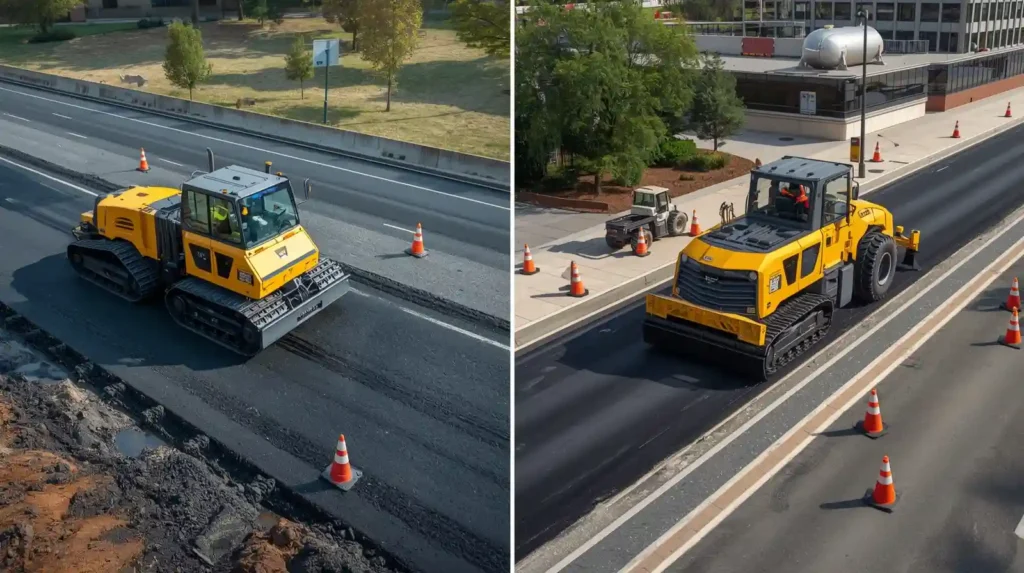
Not every machine fits every project. Crews choose equipment based on ground conditions, space, and job size.
Track Asphalt Pave
A track asphalt paver uses rubber tracks instead of tires. Tracks spread machine weight over a larger area. This gives better traction and stability on soft bases or uneven ground. Many highway and large lot projects use tracked units.
Wheeled Asphalt Paver
A wheeled asphalt paver uses tires. It often moves faster between work zones and can turn more easily in tight spaces. This can be helpful in urban jobs or smaller areas.
Wheel Asphalt Pavers for Tight Access
Wheel asphalt pavers may suit jobs with many turns, short runs, or frequent repositioning. The best choice depends on the site. Experienced contractors match the machine to the work instead of forcing one setup onto every project.
How Screed Paving Creates a Smooth and Even Surface
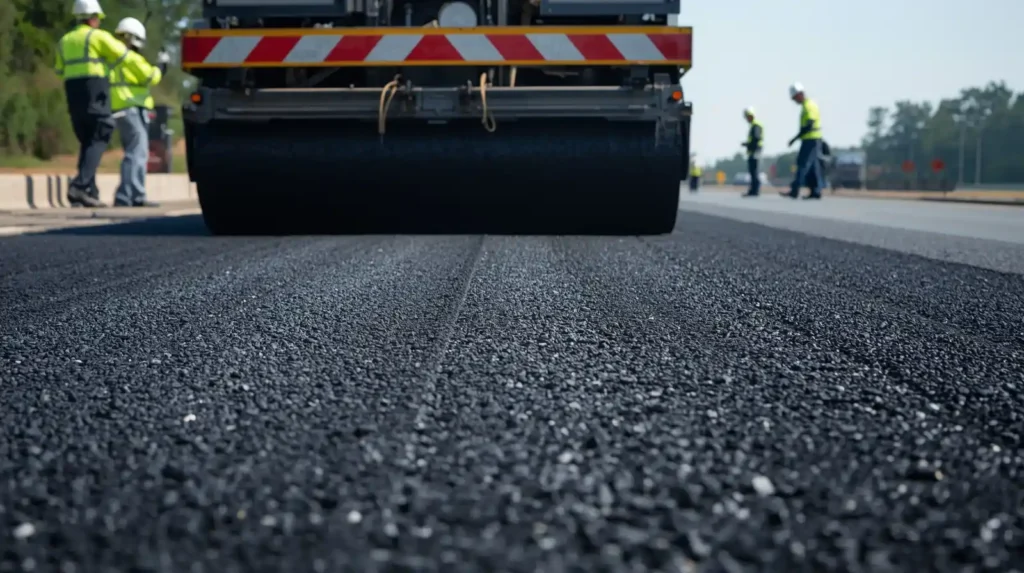
The screed is often called the heart of the paver. It is the part that shapes the final mat before rolling begins.
As fresh asphalt passes under the screed, the screed levels the mix and sets the thickness. Heat and vibration may help improve consistency depending on the setup.
A properly adjusted screed asphalt paver can reduce waves, low spots, and rough texture. Operators watch tow points, feed rate, and travel speed to keep results uniform.
Even a great screed cannot fix a weak base or poor material. Still, when paired with good prep and skilled rolling, it plays a major role in pavement quality.
Smooth surfaces are not just about looks. They improve drainage, ride comfort, and long term wear.
Common Asphalt Paving Techniques Used for Roads, Driveways, and Sidewalks in Greenville, SC
Different jobs call for different asphalt paving techniques. The same method does not fit every space.
Road Paving
Road crews often use larger machines and longer passes. Consistent speed and proper joints are important.
Driveway Paving
Driveways need clean edges, proper slope, and smooth transitions to garages or streets.
Sidewalk and Path Work
A sidewalk asphalt paver or compact unit may help in narrow spaces where larger machines cannot fit.
Overlay Work
An overlay places new asphalt over an existing surface after repairs. It can improve appearance and function when the base remains sound.
Patch and Repair Work
Smaller damaged areas may need targeted repair rather than full replacement.
Good contractors choose methods based on traffic, drainage, budget, and surface condition.
Mistakes That Can Affect Asphalt Work Quality and Long Term Performance
Even strong materials can fail when the process goes wrong. Here are common mistakes that shorten pavement life.
Poor Base Preparation
If the base shifts, the surface above it often cracks or sinks.
Wrong Thickness
Thin pavement may fail under heavy loads.
Low Temperature Mix
If asphalt cools too much before compaction, it may not bond well.
Bad Drainage
Standing water weakens pavement over time.
Inconsistent Speed
Jerky machine movement can leave rough spots.
Weak Compaction
Without proper rolling, air voids remain and damage can happen faster.
Quality crews focus on details because small mistakes can become costly repairs later.
Need Professional Results, Why KW ASPHALT CONCRETE & SERVICES Is Ready to Help
A paving project is more than moving material from one place to another. It takes planning, proper equipment, trained operators, and careful finishing. That is why many owners choose professionals instead of guessing their way through the job.
Whether you need a driveway, parking area, repair work, or full paving support, experienced teams can guide you from inspection to completion. They can explain the best asphalt paving methods for your site, expected timelines, and how to protect your new surface.
KW ASPHALT CONCRETE & SERVICES focuses on dependable workmanship, clear communication, and results built to last. When the right crew handles the project, your pavement can look better and perform better for years.
Fresh pavement adds value, improves safety, and creates a stronger first impression. If you want work done right the first time, expert help matters.
Have questions about your next paving project? Reach out today for honest advice, clear pricing, and a solution built for your property.