Equipment for asphalt paving includes machines and tools that place, spread, level, and compact asphalt to build smooth roads, driveways, sidewalks, and parking areas. Common examples are asphalt pavers, rollers, dump trucks, rakes, lutes, and cutters. The right setup helps crews work faster, safer, and with better results.
Good paving starts with the right machine and the right plan. Large roads need heavy asphalt paving equipment, while small repairs may need compact tools. A strong crew also needs support items like hand tools, safety gear, and clean materials. When machines match the job, the finished surface lasts longer and looks better. In this guide, you will learn the main equipment used in paving, how each machine works, and what to consider before starting a project.
Paving may look simple from far away, but every smooth road comes from careful steps. Heat, timing, ground prep, and machine control all matter. That is why skilled teams use proven methods and dependable equipment. Trusted contractors know that smart choices at the start save money later.
Why Quality Asphalt Paving Equipment Matters for Better Results
Strong machines do more than move material. They help crews build even surfaces, clean edges, and proper thickness. Poor machines can cause bumps, low spots, weak seams, and early cracks. That means more repairs and more cost later.
Good asphalt paving machine systems also improve speed. Crews can finish jobs on time when tools work well and parts run smoothly. This matters on busy streets where delays affect traffic and safety.
Quality machines also help control heat. Asphalt must stay hot enough to spread well. If it cools too fast, the surface may not bond the right way. Reliable equipment keeps the paving process steady from start to finish.
Many contractors learn this through experience. A low price on weak tools may look good today, but breakdowns can cost much more tomorrow. Strong equipment often gives better value over time.
Main Types of Asphalt Paving Machines Used on Modern Projects
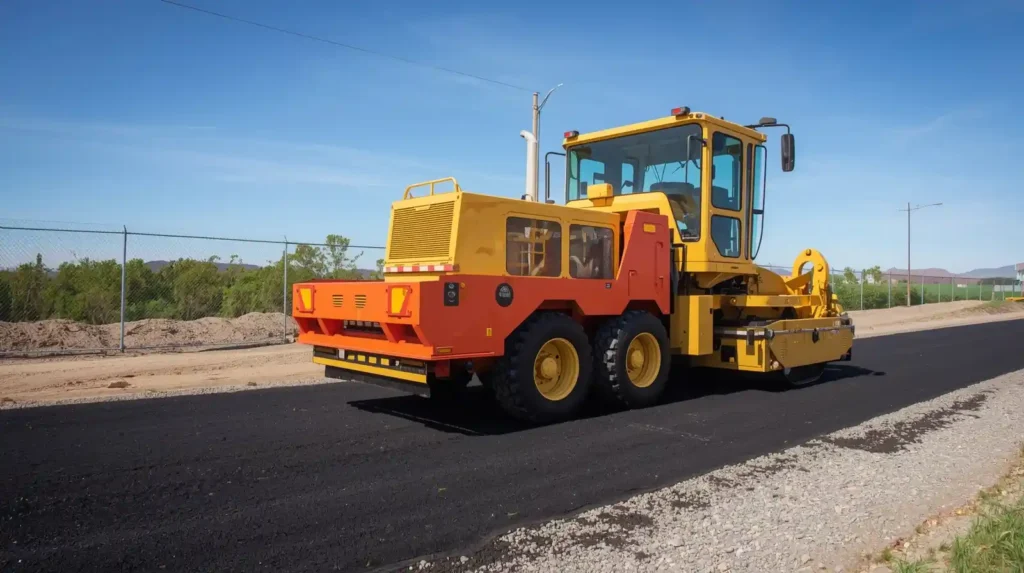
Different jobs need different machines. There is no single tool for every project. Here are the main types used today.
Asphalt paver machine
This is the main unit that places asphalt on the ground. It spreads material and helps create the first smooth layer.
Rollers
After the mix is placed, rollers compact it. This step removes air spaces and creates strength.
Dump trucks and blacktop trucks
These trucks bring hot mix from the plant to the job site. Fast delivery helps keep the mix ready to use.
Bituminous paver
Some people use this name for paving units that handle bitumen based mixes.
Street paving machine
This term often describes machines used on city roads and wider travel lanes.
Small asphalt paving machine
These compact units work well in tight spaces, patch areas, and smaller lots.
Each machine has a purpose. When crews use the right one at the right time, results improve.
How an Asphalt Paver Machine Spreads and Levels Hot Mix Asphalt
Many people ask how paving really works. The process starts when trucks load hot mix into the paver hopper. Then the machine moves forward and feeds material to the rear.
At the back, a screed spreads the mix across the surface. It helps control width, thickness, and level. This is where much of the smooth finish begins.
The operator watches speed and flow closely. If the machine stops too often, marks can form in the mat. Steady movement helps create a cleaner result.
A hot asphalt machine must also work with the roller team. Once the mat is placed, compaction should begin while the mix is still in the right temperature range. Good timing helps create a dense and durable surface.
This stage takes skill. Even advanced machines still need trained hands and sharp attention.
Essential Pavement Tools That Support Safe and Smooth Paving Work
Large machines get most of the attention, but smaller tools matter every day. These items help crews adjust, clean, and finish the job.
Lutes and rakes
Workers use these to move loose mix into low spots and edges.
Shovels
Useful for loading, trimming, and cleanup.
Tampers
Great for compacting small areas where rollers cannot fit.
Cutters and saws
Used to create clean edges before patching.
Measuring tools
Crews check depth, slope, and grade during the job.
Safety gear
Gloves, boots, eye protection, and high visibility clothing protect workers.
These pavement tools may seem simple, but they solve many real problems on active job sites.
Road Paving Equipment Used for Streets, Parking Lots, and Driveways
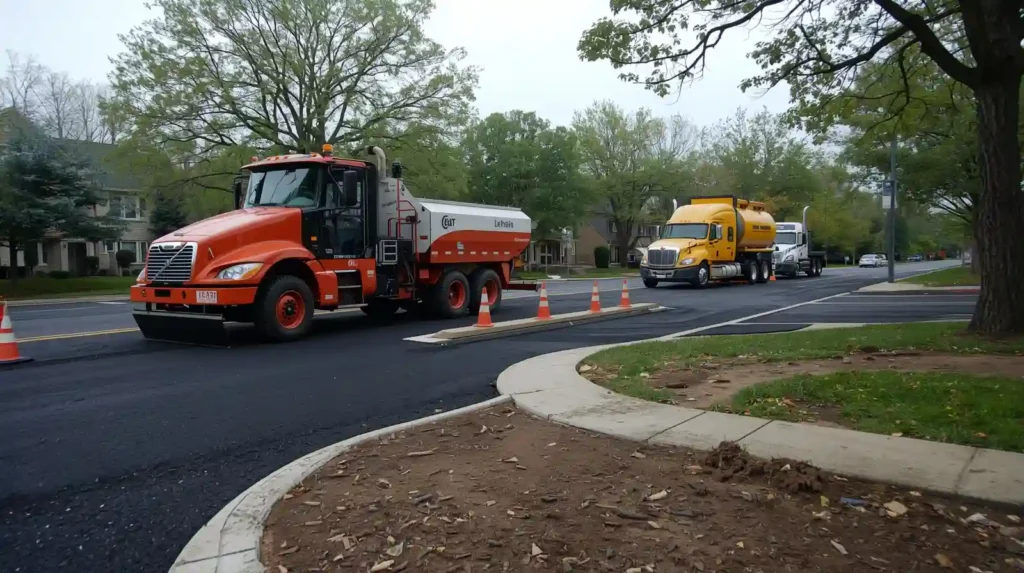
Roads, lots, and driveways may all use asphalt, but the equipment plan can change based on size and traffic needs.
For major roads, crews often use larger asphalt road pavers, transfer vehicles, rollers, and several trucks. The goal is steady production over long distances.
Parking lots may use medium size road paving equipment that can turn easier and work around islands, curbs, and light poles.
Driveways often need smaller units or hand work near garages and edges. A full size paving machine may be too large for some homes.
Some projects also need milling machines before new asphalt goes down. Milling removes old surface layers so fresh material can bond better.
Smart contractors match machine size to the work area. That helps save time and reduce waste.
Best Small Asphalt Paving Machine Options for Tight Spaces and Repairs
Not every job needs a large crew or wide machine. Small jobs often need flexible tools that can move in narrow areas.
A small asphalt paving machine works well for:
- Pathways
- Small parking sections
- Utility cuts
- Patch repairs
- Narrow private roads
- Tight corners
These compact machines are easier to transport and may cost less to run. They can also reach places where larger units struggle.
Still, small does not mean weak. Many modern compact pavers produce smooth mats when used the right way. The key is choosing a unit with steady feed control and a quality screed.
For repair work, the right small machine can turn a slow task into a fast and clean project.
Sidewalk Paver Machine Solutions for Paths, Walkways, and Urban Jobs
Walkways need care because people use them every day. Surfaces should be smooth, safe, and easy to drain.
A sidewalk paver machine helps crews place asphalt in narrow lanes. Some teams also use a sidewalk asphalt paver built for paths and smaller widths.
These jobs often happen near homes, stores, schools, and public areas. That means crews must control traffic, noise, and cleanup.
Urban work also brings tight corners, trees, poles, and utility covers. Compact machines and skilled hand crews often work together in these spaces.
The best walkway results come from strong prep work. If the base is weak, even a nice top layer may fail early. Good contractors know the hidden layers matter just as much as the finished look.
Common Mistakes to Avoid When Using Asphalt Machines and Paver Equipment
Even strong machines can give poor results when used the wrong way. Here are common mistakes to avoid.
Bad base preparation
If the ground below is weak, the surface above may crack or sink.
Wrong temperature
Cold mix can become hard to spread and compact.
Stopping too often
Frequent stops may leave marks and uneven spots.
Poor roller timing
Late compaction can reduce strength.
Dirty equipment
Old material buildup can affect movement and finish quality.
Wrong machine size
Large machines in small spaces can slow the job. Small tools on huge jobs may waste time.
Lack of training
Machines need skilled operators, not just power.
Great paving comes from planning, teamwork, and attention to detail.
Trusted Asphalt Paving Equipment Services in Greenville, SC
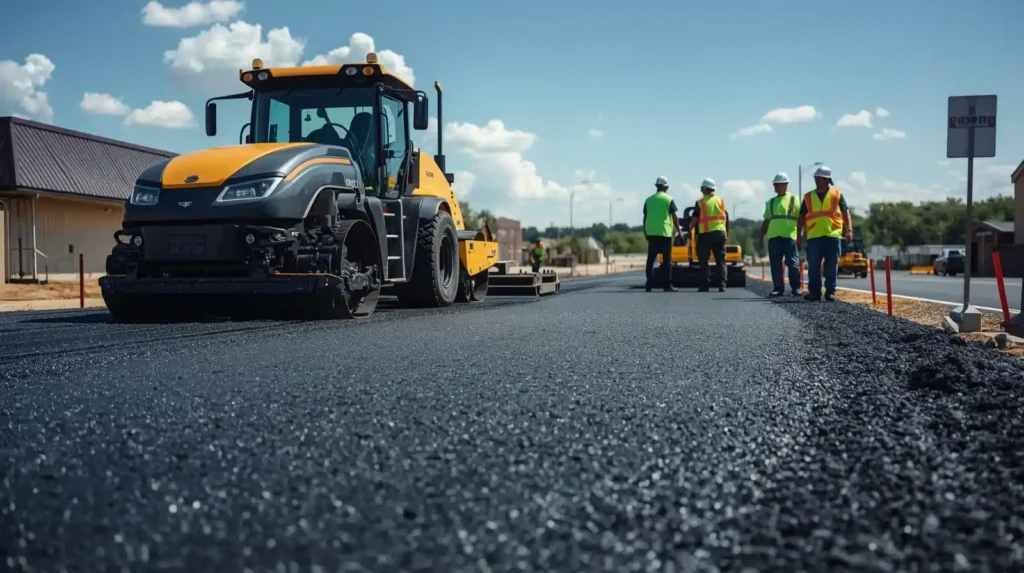
When a project matters, local knowledge matters too. Soil, weather, traffic, and drainage all affect paving choices. A team that understands these conditions can make smarter decisions from the start.
KW ASPHALT CONCRETE & SERVICES works with proven methods, dependable tools, and a focus on long term value. From surface prep to final rolling, every step should support strength and appearance.
A trusted contractor will inspect the site, explain the process, and recommend the best machine plan for your needs. Some jobs need full paving systems. Others need focused repairs with smaller tools. Honest guidance helps clients avoid paying for the wrong solution.
Clear communication also matters. Good teams answer questions, set fair timelines, and keep the site organized.
Get Expert Help from KW ASPHALT CONCRETE & SERVICES for Your Next Project
Choosing the right equipment is one of the biggest parts of a successful paving job. Strong machines, trained crews, and smart planning all work together. Whether the project is a road, driveway, sidewalk, or repair area, the right tools help create a surface that looks better and lasts longer.
Now you know what machines are used, why they matter, and how to avoid common mistakes. That knowledge helps you ask better questions and choose the right contractor with confidence.
If you want a smooth surface, safe work, and lasting value, start with experts who understand the full process from base prep to final compaction.
Contact the team today to discuss your paving project, get honest advice, and schedule dependable service built around your needs.