The benefits of asphalt go far beyond its smooth black surface. Asphalt is one of the most widely used materials in modern construction from highways and driveways to parking lots and sidewalks. It’s strong, flexible, affordable, and environmentally friendly. This guide explains why asphalt remains the go-to paving material, how it’s made, and what makes it an essential part of building safe, durable, and sustainable roads across communities.
Understanding the Benefits of Asphalt
The benefits of asphalt are easy to see when you drive on a smooth, quiet road or pull into a clean driveway. Asphalt is not only durable but also one of the most cost-effective paving materials used worldwide. It’s made from a mix of crushed stone, sand, and bitumen a sticky binder derived from crude oil that holds everything together.
People often choose asphalt because it balances performance and price better than most materials. It provides a smooth driving surface, handles temperature changes well, and can be repaired easily without replacing the entire pavement. Asphalt can also be recycled and reused, which helps protect the environment and reduce waste.
Whether it’s used for highways, parking lots, or residential driveways, asphalt continues to prove its worth as a practical and sustainable paving solution.
What Is Asphalt and What Is It Used For
Asphalt is a combination of asphalt pavement materials that create a tough, flexible surface capable of withstanding heavy traffic and weather changes. It’s used in many ways from paving major asphalt roadways and runways to driveways, sidewalks, and sports courts.
Because of its versatility, asphalt remains the top choice for both private and public projects. Cities use it to create smoother, safer roads. Homeowners prefer it for driveways that look clean and last for decades. Businesses use it for parking lots because it’s quick to install and easy to maintain.
When people ask what is asphalt used for, the answer is simple: it’s used anywhere a durable, smooth, and weather-resistant surface is needed. From highways that connect states to bike paths that connect neighborhoods, asphalt plays a major role in our daily lives.
Asphalt Paving Benefits for Roads and Driveways
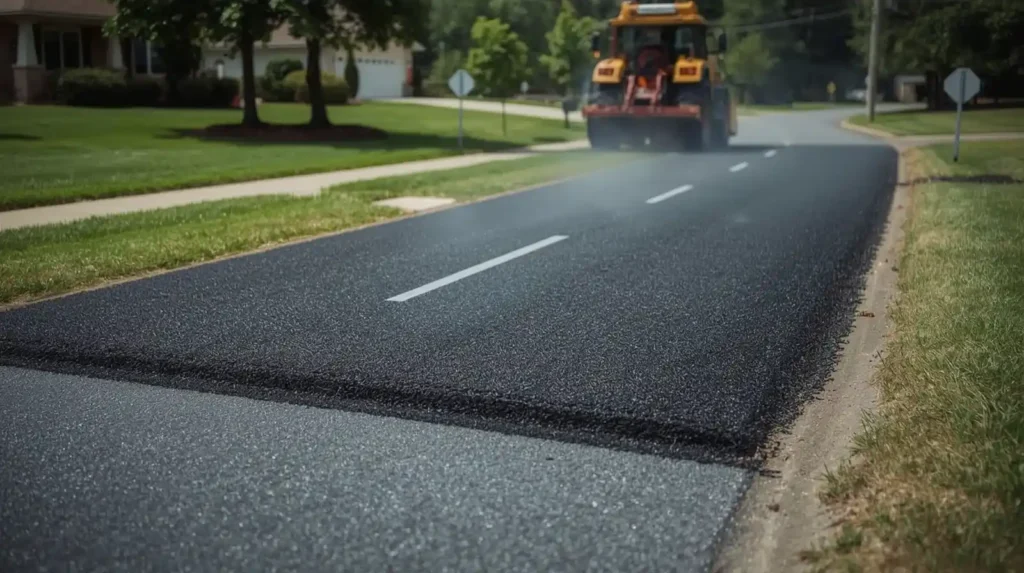
There are several asphalt paving benefits that make it one of the best materials for modern infrastructure. Asphalt provides a smooth and quiet road surface, which reduces vehicle wear and lowers fuel use. It also minimizes road noise, making communities more peaceful.
Another advantage is its quick installation. Asphalt cools and hardens fast, so roads can reopen within hours instead of days. This helps reduce traffic delays and keeps projects on schedule.
Asphalt is also safer to drive on because of its dark color, which helps melt snow faster and improves visibility for road markings. Its natural flexibility prevents cracks during temperature changes, giving it a longer lifespan compared to concrete.
For driveways, asphalt offers the same advantages clean appearance, smooth texture, and minimal maintenance. Small cracks can be sealed quickly without needing to rebuild the entire surface, saving both time and money.
Advantages of Asphalt Driveways Over Other Materials
Homeowners often ask about the advantages of asphalt driveways compared to other paving materials like concrete or gravel. The main difference is flexibility. Asphalt can handle changes in temperature without breaking apart, while concrete tends to crack when the weather shifts.
Asphalt is also more affordable to install. Because it requires less preparation and dries faster, homeowners can use their new driveway within a day or two. Concrete, on the other hand, can take up to a week to cure.
In terms of appearance, paved asphalt driveways offer a clean, dark finish that complements most home styles. They can also be resurfaced easily adding a new layer every few years keeps them looking brand new.
With proper maintenance, an asphalt driveway can last 20 years or more, providing long-term value and reliability.
Asphalt Roadway Durability and Performance
When it comes to road surface asphalt, durability and performance are two of its greatest strengths. Asphalt can handle the constant pressure of heavy vehicles and traffic flow without breaking down quickly.
It expands and contracts with temperature changes, which helps prevent large cracks. In hot weather, it softens slightly and absorbs stress; in cold weather, it becomes firm and holds shape. This natural flexibility allows it to perform better than rigid paving materials.
Modern highways built with asphalt road materials are designed for longevity. Regular maintenance, such as sealcoating or resurfacing, keeps the surface smooth for decades. Drivers experience fewer bumps, which reduces vehicle damage and enhances safety.
That’s why governments, construction companies, and brands like KW Asphalt rely on asphalt for large-scale road projects it’s built to last and perform under any condition.
Understanding Asphalt Pavement Materials
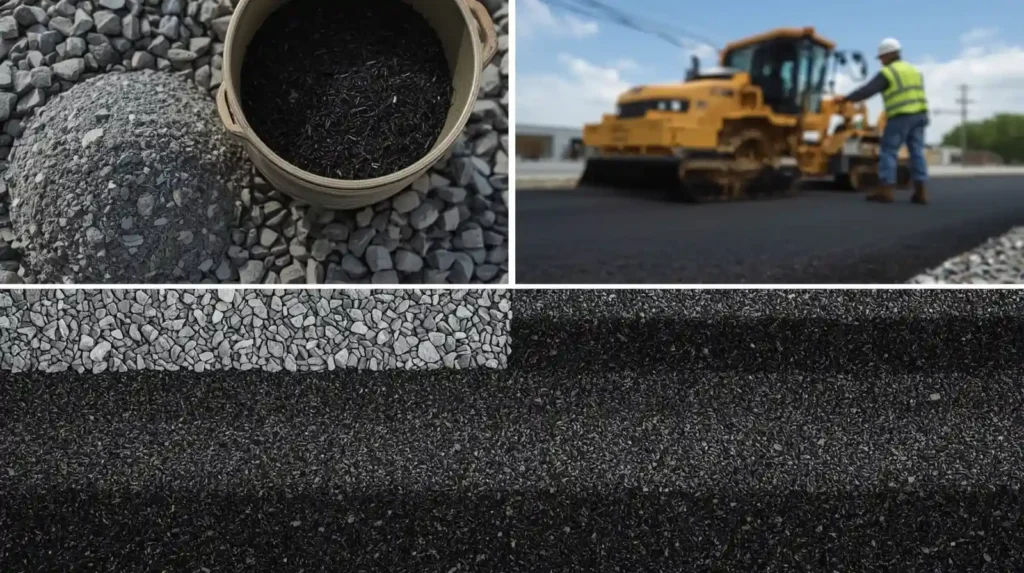
Asphalt pavement materials are designed to work together for strength, balance, and flexibility. The mix typically includes:
- Aggregates: Crushed rock, sand, or gravel that adds structure.
- Binder: A sticky, black substance called bitumen that holds aggregates together.
- Filler and Additives: Materials added to improve performance or durability.
The quality of these materials determines how long the surface will last. High-grade binders resist oxidation and UV damage, while well-graded aggregates distribute weight evenly.
These layers are compacted to create a strong base that supports vehicles of all sizes. This layered structure makes asphalt an ideal solution for both asphalt roadway construction and driveways.
Sustainable Asphalt and Environmental Benefits
Sustainability is one of the most overlooked asphalt paving benefits. Asphalt is 100% recyclable, making it one of the most eco-friendly construction materials available today. Old pavement can be milled, reheated, and reused to create new roads without losing quality.
This reduces the need for new raw materials and cuts down on landfill waste. Sustainable asphalt also helps reduce greenhouse gas emissions since it requires less energy to produce than concrete.
Warm-mix asphalt technology, for example, allows asphalt to be produced at lower temperatures. This innovation saves fuel, reduces fumes, and improves air quality around construction sites.
When you combine durability with recyclability, asphalt becomes one of the most environmentally responsible materials used in modern infrastructure.
Asphalt Sustainability in Modern Infrastructure
Asphalt sustainability is reshaping how we think about road building. Modern asphalt mixes are engineered not only for performance but also for environmental balance. These new formulations reduce carbon emissions, save energy, and use recycled materials creating long-term benefits for both people and the planet.
Sustainable pavement designs extend the life of roads, reducing the need for frequent repairs and material waste. For communities, that means fewer disruptions and safer driving conditions.
As global infrastructure expands, sustainable asphalt plays a vital role in reducing the environmental footprint of development projects.
For companies like KW Asphalt, sustainability isn’t a trend it’s a responsibility built into every layer they pave.
Asphalt vs Paving Choosing the Right Surface
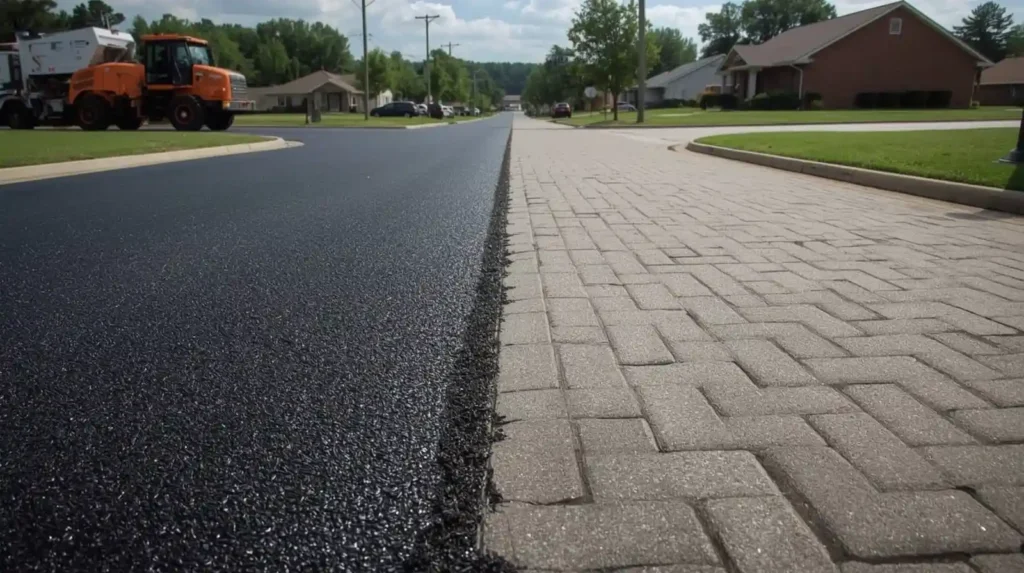
The debate of asphalt vs paving often comes down to material type and cost. Asphalt is a type of paving, but when people use the term “paving,” they sometimes mean alternatives like concrete or interlocking bricks.
Compared to concrete paving, asphalt is more flexible, easier to repair, and faster to install. It provides a smooth, non-slippery surface ideal for vehicles. Concrete is durable but more expensive and prone to cracks in freezing temperatures.
For most residential and commercial projects, asphalt vs paved comparisons end with asphalt as the clear winner due to its balance of strength, appearance, and affordability.
The best choice depends on climate, budget, and intended use but in most cases, asphalt offers the ideal mix of performance and value.
Long-Term Value of Paved Asphalt Surfaces
One of the biggest benefits of asphalt is its long-term value. Even though installation costs are low, asphalt delivers high performance over decades. Regular maintenance sealcoating every few years and filling minor cracks keeps it looking and performing like new.
Asphalt also provides comfort while driving. Its smooth texture reduces friction and noise, creating a better experience for both drivers and pedestrians.
In addition, paved asphalt surfaces add curb appeal to homes and commercial properties. A clean, dark driveway or parking lot makes a strong first impression.
When well cared for, asphalt lasts longer than many other materials, making it a smart investment for homeowners and businesses alike.
Why KW Asphalt Is the Trusted Asphalt Expert in Greenville, SC
KW Asphalt is known for delivering quality work backed by experience, professionalism, and attention to detail. Every project from small residential driveways to large commercial roadways is handled with precision and care.
The team uses advanced paving techniques, sustainable materials, and proven methods to ensure each surface stands the test of time. Whether it’s a new installation or a resurfacing job, their focus remains the same: durability, safety, and beauty.
For residents and businesses in Greenville, SC, KW Asphalt is more than a contractor it’s a trusted partner in building better, longer-lasting roads and driveways.
If you’re planning a paving or road improvement project, choose a company that understands quality, safety, and sustainability. Contact KW Asphalt today to get a free consultation and experience the long-lasting benefits of asphalt for your property.