When it comes to road construction, two materials often come up for discussion: asphalt and bitumen. Although these terms are sometimes used interchangeably, they are not the same. Asphalt is a mixture of bitumen and aggregate, while bitumen is a viscous liquid or semi-solid substance that binds the materials together. Understanding these differences is crucial for choosing the right material for your road project. Let’s dive into the details of asphalt vs bitumen, explore their uses, and determine which one is best for your specific needs.
Understanding the Basics of Asphalt and Bitumen
When you hear the term “asphalt,” you probably think of smooth, black roads stretching for miles. But what exactly is asphalt? And how does it differ from bitumen, the material often mentioned alongside it? These two substances play important roles in road construction, yet they are quite different from each other.
In this blog post, we’ll explore the essential differences between asphalt vs bitumen, discuss their uses in road construction, and determine which one is best for specific projects. Whether you’re paving a driveway, road, or parking lot, understanding the differences between asphalt and bitumen is key to ensuring the durability and performance of your surfaces.
Why Asphalt and Bitumen Matter in Road Construction
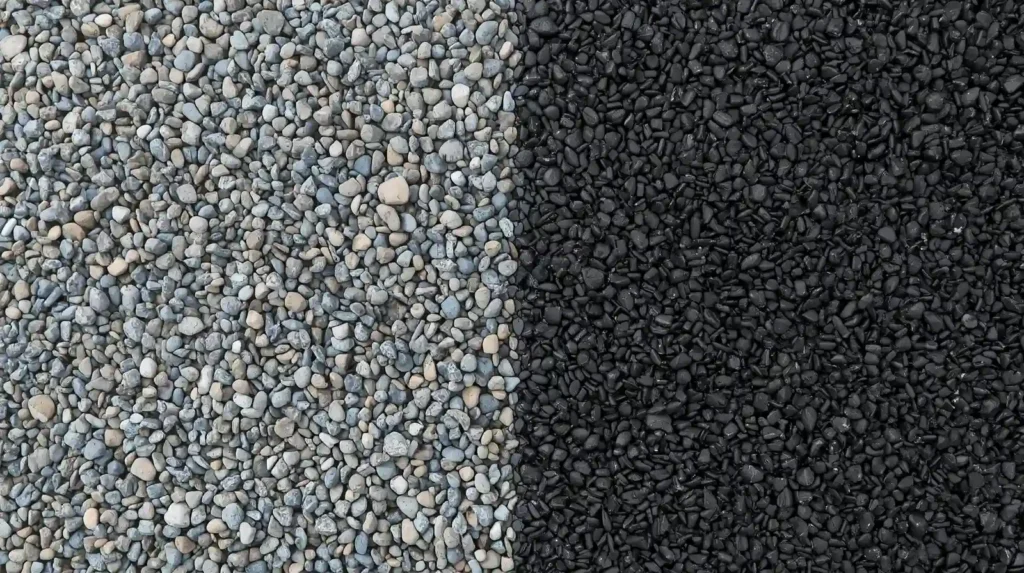
Both asphalt and bitumen are essential for road construction, yet they serve different purposes. While bitumen is primarily used as a binder, asphalt is the finished product you see on roads. Asphalt, which is a mixture of bitumen and aggregate materials like sand and gravel, is used to create a smooth, durable surface for vehicles to travel on. Bitumen, on the other hand, is the sticky substance that holds everything together.
The main reason these materials are so important is that they help create roads that can withstand the wear and tear of traffic, extreme weather, and time. Knowing when and how to use each one is essential for long-lasting, safe roads.
What is Bitumen and How is It Used in Road Surfaces?
To understand bitumen, it’s important to know that it’s a naturally occurring substance, though it can also be manufactured. Bitumen is a black, sticky liquid or semi-solid made from crude oil. It’s thick and dense, which makes it perfect for holding the ingredients of asphalt together. Bitumen has excellent waterproofing properties and is resistant to weathering, which makes it a great choice for road surfaces.
In road construction, bitumen is used primarily as a binder. When mixed with aggregate materials, it forms bituminous surfaces that are used to build roads, parking lots, and driveways. The liquid form of bitumen is applied to aggregates, and as it cools and hardens, it forms a durable, long-lasting road surface.
Asphalt vs Bitumen: Key Differences Explained
When comparing asphalt vs bitumen, the most important distinction to remember is that asphalt is the finished product, while bitumen is just one of its components. Let’s break down the key differences:
- Asphalt is a mixture of bitumen and aggregate materials like sand, gravel, or crushed stone.
- Bitumen is the black, sticky substance that is used to bind the aggregates together to form asphalt.
While both materials are used for similar purposes, the key difference is that bitumen can be used alone in certain applications (such as waterproofing), while asphalt is a combination of materials that creates the durable surface we drive on every day.
The Role of Asphalt in Creating Durable Road Surfaces

When you look at any road, parking lot, or driveway, you’re most likely seeing asphalt. The reason asphalt is used in nearly all road construction projects is that it’s durable, flexible, and cost-effective. Asphalt road surfaces can handle heavy traffic, resist weathering, and provide a smooth, even surface for vehicles to drive on.
Asphalt is known for its ability to expand and contract with changes in temperature. This flexibility allows asphalt to resist cracking and damage, even under heavy traffic and extreme weather conditions. It’s also relatively easy to repair, making it a go-to choice for road maintenance.
Bitumen: The Unsung Hero in Road Construction
Although asphalt gets most of the attention when it comes to road surfaces, bitumen is the unsung hero of the construction process. Without bitumen, there would be no asphalt. Bitumen is the glue that holds the aggregate materials together, forming a smooth and durable road surface.
In addition to its use in asphalt, bitumen is used for other applications like waterproofing roofs, sealing cracks in pavement, and protecting against moisture. It’s also used in some industrial applications, like producing paints and coatings. Its waterproofing and adhesive qualities make it versatile in construction and infrastructure.
Are Asphalt and Bitumen the Same Thing? A Closer Look
The simple answer is no, asphalt and bitumen are not the same. Although they are often used interchangeably, they have distinct differences. Bitumen is the black, sticky substance derived from crude oil, while asphalt is a mixture of bitumen and aggregates like sand, gravel, and crushed stone.
Think of bitumen as the essential ingredient, and asphalt as the final product. While bitumen can be used alone in some cases, asphalt is what you see used in most roads, driveways, and parking lots.
How Asphalt and Bitumen Affect Road Durability and Maintenance
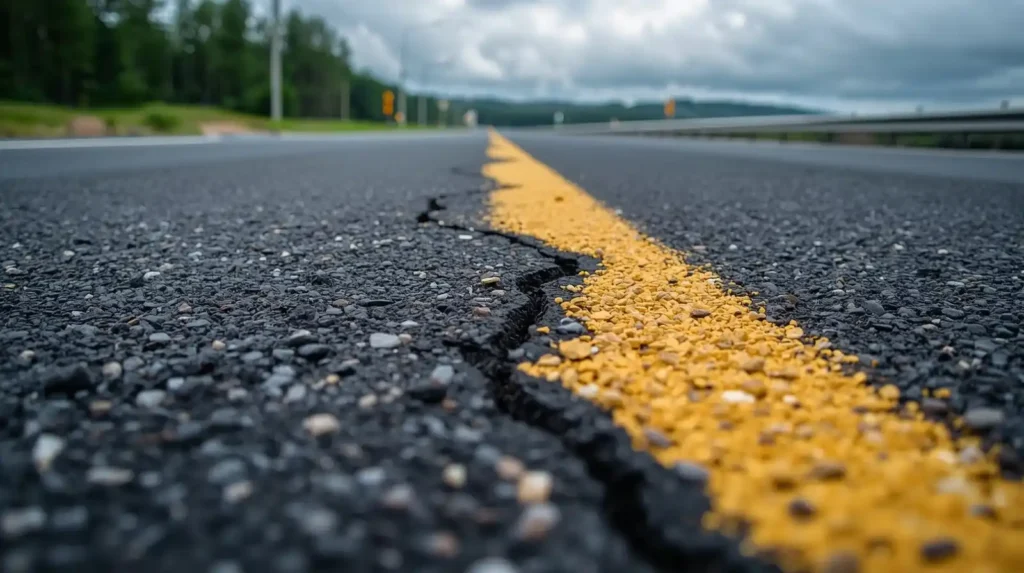
When considering the longevity of a road, both asphalt and bitumen play critical roles in ensuring its durability. Asphalt provides a smooth surface that resists wear and tear, while bitumen acts as a binder to keep the aggregates together. This combination helps create a long-lasting road surface that can withstand traffic, weather conditions, and time.
In terms of maintenance, asphalt roads are relatively easy to repair. If cracks or damage appear, bituminous asphalt can be patched up quickly without requiring a full road replacement. Bitumen itself doesn’t require much maintenance, but it’s important to monitor roads regularly to ensure the asphalt remains intact.
Asphalt vs Bitumen in Greenville, SC: Which is Right for Your Project?
When it comes to road construction in Greenville, SC, the choice between asphalt vs bitumen depends on the specific needs of your project. For most roadways, asphalt is the preferred choice because of its flexibility, durability, and ease of maintenance. Asphalt is perfect for the local climate, providing a smooth, reliable surface that can withstand seasonal changes and heavy traffic.
Bitumen, however, can be used in specific applications, such as waterproofing and sealing, and is sometimes used in combination with asphalt to improve road quality and longevity. Ultimately, choosing between asphalt and bitumen depends on the needs of your specific project, and consulting with a professional like ASPHALT CONCRETE & SERVICES can help you make the right decision.
The Environmental Impact of Asphalt vs Bitumen
Both asphalt and bitumen have environmental implications, though they are both more eco-friendly than many other road materials. Asphalt can be recycled, making it a sustainable option for road construction and maintenance. Many roads are resurfaced by reclaiming and reusing asphalt, which reduces the need for new materials.
Bitumen, however, is made from petroleum, which is a non-renewable resource. The production of bitumen also has a carbon footprint, though its environmental impact is generally lower than that of other road materials like concrete.
Both materials are recyclable, and there is growing interest in using more sustainable practices in the production of asphalt and bitumen to reduce environmental impact.
Conclusion: Making the Right Choice for Your Road Construction Project
In conclusion, both asphalt vs bitumen play vital roles in the construction of roads, parking lots, and driveways. While asphalt is the most commonly used material for road surfaces, bitumen is essential for creating durable, reliable roads. When deciding which material to use for your next project, it’s important to consider the specific needs of your surface, climate, and traffic conditions.
ASPHALT CONCRETE & SERVICES is here to help you navigate these options and ensure you choose the best material for your project. Contact us today for expert advice and professional road construction services in Greenville, SC.
At ASPHALT CONCRETE & SERVICES, we take pride in offering high-quality paving solutions. Whether you’re building a driveway, parking lot, or road, our team is ready to assist. Call us now to get started!