Asphalt paving layers are the separate levels of material placed under and above a paved surface to create strength, support, drainage, and a smooth driving area. Each layer has a job, and together they help pavement last longer.
When people look at a new road or driveway, they often notice only the black top surface. What they do not see is the system below it. That hidden system is what gives pavement its strength. Asphalt paving layers work together like the parts of a strong building. If one layer is weak, the whole surface can crack, sink, or wear out early.
Good pavement usually includes prepared soil, a strong stone base, a binder layer, and a top surface layer. Some projects may need extra support depending on traffic, weather, and soil conditions. Learning how these layers work can help homeowners and property managers make smarter choices when planning repairs or new paving work.
This guide explains each layer in simple words, shows why pavement fails, and helps you know when it is time to call a trusted contractor.
How Strong Pavement Layers Protect Driveways, Roads, and Parking Areas
Pavement handles a lot of pressure every day. Cars, trucks, rain, heat, and changing temperatures all affect the surface. That is why strong pavement layers matter so much.
Think of pavement like a sandwich. If the middle parts are weak, the top will not stay in place for long. The lower layers spread weight across the ground. This helps stop deep ruts, cracks, and soft spots.
Strong layers also help water move away from the surface. Water is one of the biggest causes of pavement damage. When water gets trapped under asphalt, it can soften the ground and lead to sinking.
Good construction saves money over time. A strong pavement system often needs fewer repairs and lasts many more years than a poorly built one.
The Base Layer, Where Long Lasting Asphalt Starts
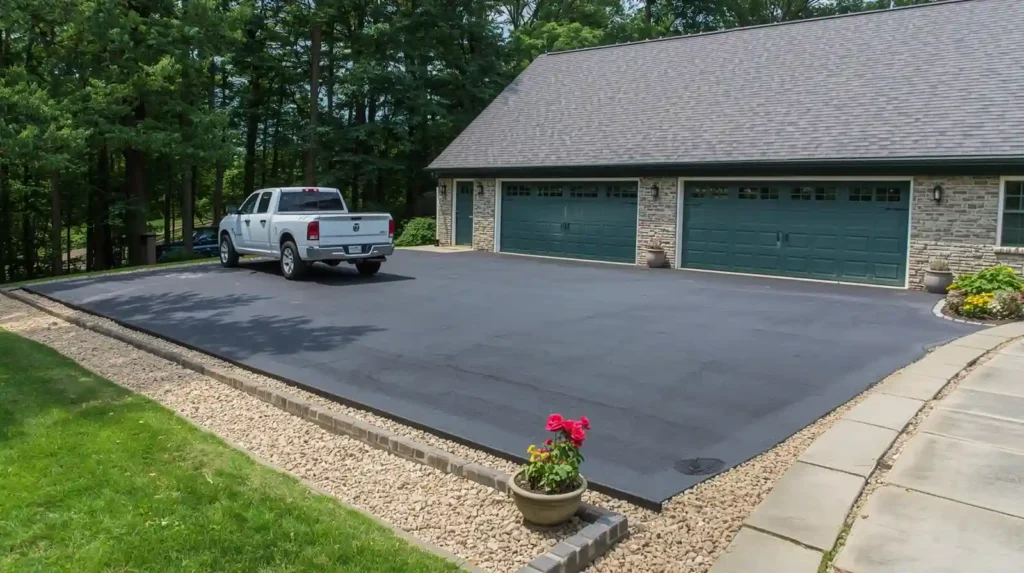
The base layer is one of the most important parts of any paving project. It sits under the asphalt and supports everything above it.
Builders usually use crushed stone or gravel for the base. These materials lock together and create a firm foundation. Before placing the base, crews grade and compact the soil below it. This step matters because weak soil can cause movement later.
A quality base layer helps in several ways:
- Supports vehicle weight
- Improves drainage
- Reduces shifting
- Helps prevent cracks
- Extends pavement life
Without a strong base, even new asphalt can fail early. That is why skilled contractors spend time preparing this part correctly.
For many homes, the layers of asphalt driveway begin with careful ground prep and a compacted stone base. Skipping this step often leads to expensive repairs.
Binder Course Explained, The Strength Behind Smooth Performance
The binder course sits between the base and the top surface. It contains larger stone mixed with asphalt binder. This creates a strong middle layer.
You may not see the binder course after the job is finished, but it plays a big role. It adds structure and helps the pavement carry weight. Roads with regular traffic depend on this layer to stay stable.
The binder course also helps connect the lower base to the smoother top layer. That connection keeps the surface from breaking apart under pressure.
In many commercial jobs, the binder layer is thicker because heavier vehicles use the area. Delivery trucks, buses, and service vehicles place more stress on pavement than passenger cars.
When installed well, this layer helps create a stronger and more reliable finished surface.
Surface Course Benefits, The Top Layer You See and Drive On
The surface course is the top layer people notice first. It is smoother than the binder layer and designed for daily use.
This top layer gives several benefits:
- Smooth driving experience
- Better traction
- Cleaner appearance
- Protection for lower layers
- Easier maintenance
The surface layer uses smaller aggregate, which helps create an even finish. It also seals the layers below from sun, rain, and traffic wear.
Over time, the top layer may fade or develop small cracks. That does not always mean the whole pavement failed. In many cases, timely maintenance can restore the surface before deeper damage begins.
Sealcoating, crack filling, and patching can help protect this layer and delay larger repairs.
Layers of Asphalt Driveway vs Layers of Asphalt Pavement, What Changes
Not every project uses the same design. A home driveway and a busy road have different needs. That means the layers of asphalt pavement may change based on use.
A residential driveway usually supports lighter vehicles. It may need fewer total inches of material than a commercial lot or road. Still, quality matters. A weak driveway can crack just like a weak highway.
A road or large parking lot often needs:
- Thicker base material
- Stronger binder layer
- More compaction
- Better drainage planning
- Traffic based design
This is why one paving price does not fit every job. The right plan depends on traffic, soil, water flow, and long term use.
Good contractors inspect the site first. Then they recommend the best layer depth and materials for that property.
Common Road Layers Used in Modern Asphalt Construction
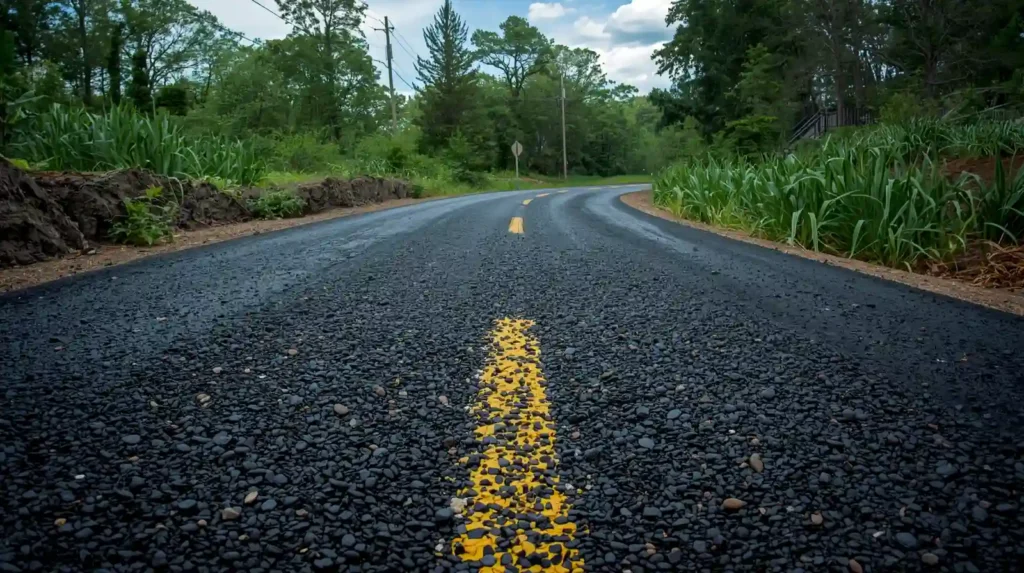
Modern paving projects often use a system of road layers designed to match traffic and weather conditions. While each project is different, many include the same core parts.
Typical layers include:
- Compacted soil or subgrade
- Stone base
- Binder course
- Surface course
Some roads also use geotextile fabric, extra drainage stone, or reinforced materials. These additions can help in poor soil areas or places with heavy rain.
The goal is simple. Each layer should support the one above it. When every part works together, the road stays stronger for longer.
Engineers may test soil and traffic load before choosing the final design. That helps avoid future problems and supports safer driving conditions.
Why Layers of Road Pavement Fail Without Proper Preparation
Many pavement problems start before asphalt is even poured. Poor preparation is one of the main reasons layers of road pavement fail early.
Common mistakes include:
- Weak soil left untreated
- Poor compaction
- Thin base material
- Bad drainage
- Rushed installation
- Low quality mix
When the ground below moves, the asphalt above moves too. This can create cracks, dips, and potholes.
Water makes the problem worse. If water collects under pavement, it can wash out support and weaken the base. In cold climates, freezing and thawing can add more damage.
That is why proper planning matters so much. Good crews do not rush the early steps. They know strong pavement begins below the surface.
How Experts Build Layers of Pavement Road for Better Durability in Greenville, SC
Professional paving crews follow a clear process to build strong layers of pavement road that last.
First, they inspect the site. They check soil condition, slope, drainage, and traffic needs. Next, they remove weak material and grade the area. Then they compact the ground.
After that, crews place and compact the stone base. Once the base is stable, they add the binder layer. Finally, they install the smooth top surface and compact it again.
Each step matters. Skipping one can shorten pavement life.
Experienced contractors also use the right equipment and proper temperatures during paving. Asphalt must be placed and compacted at the correct time for best results.
When quality work matters, many property owners trust KW ASPHALT CONCRETE & SERVICES for dependable guidance and professional results.
Warning Signs Your Asphalt Layers Need Repair or Replacement
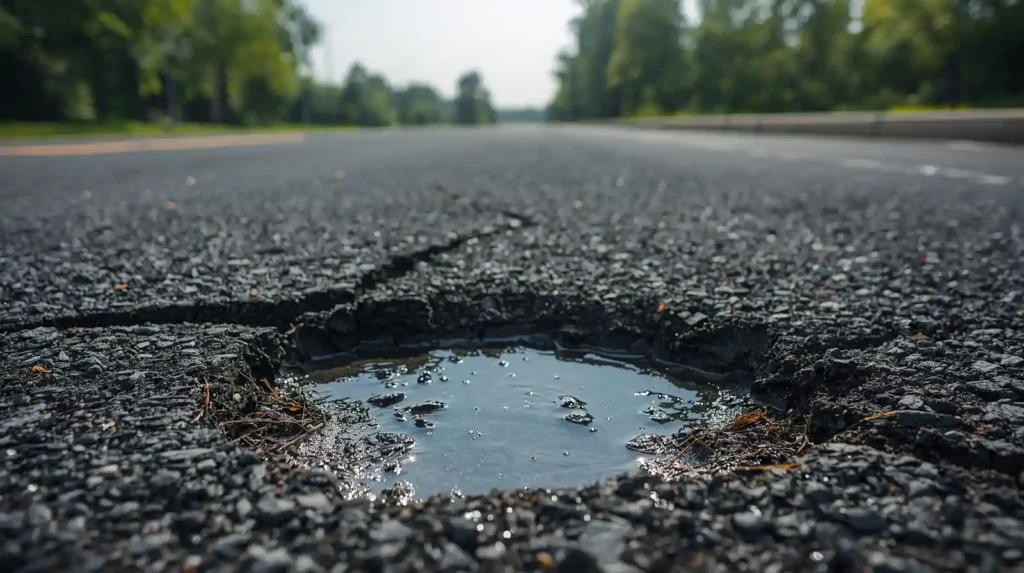
Pavement often gives warning signs before major failure happens. Spotting them early can save money.
Watch for these issues:
- Cracks spreading across the surface
- Potholes
- Standing water
- Soft spots
- Edges breaking apart
- Sunken areas
- Rough ride quality
Small cracks may need simple repair. Deep sinking or large potholes can mean the lower layers are failing.
Do not ignore early damage. Water enters small cracks fast. Once it reaches the base, repairs often become more costly.
A professional inspection can help you decide if sealing, patching, resurfacing, or full replacement is the better choice.
Need Professional Asphalt Work, How KW ASPHALT CONCRETE & SERVICES Can Help
Choosing the right contractor is just as important as choosing the right materials. Great results come from skill, planning, and honest advice.
A trusted paving team will inspect your site, explain your options, and recommend the right solution for your budget. They should also answer questions clearly and stand behind their work.
Whether you need a driveway, parking lot, private road, or repair service, expert help can protect your investment and improve curb appeal.
Reliable contractors focus on long term value, not quick fixes. That approach helps you avoid repeat problems and wasted money.
If you want lasting pavement built the right way, working with professionals is the smart next step.
Strong asphalt starts below the surface. Every layer has a purpose, from the base that carries weight to the top coat that creates a smooth finish. When layers are designed and installed correctly, pavement stays safer, looks better, and lasts longer. Understanding these parts helps you make better choices for repairs, replacements, and new paving projects.
If your driveway, lot, or road shows signs of wear, now is a good time to act. Contact KW ASPHALT CONCRETE & SERVICES to discuss your project and get trusted help from a team that values quality work and real results.